


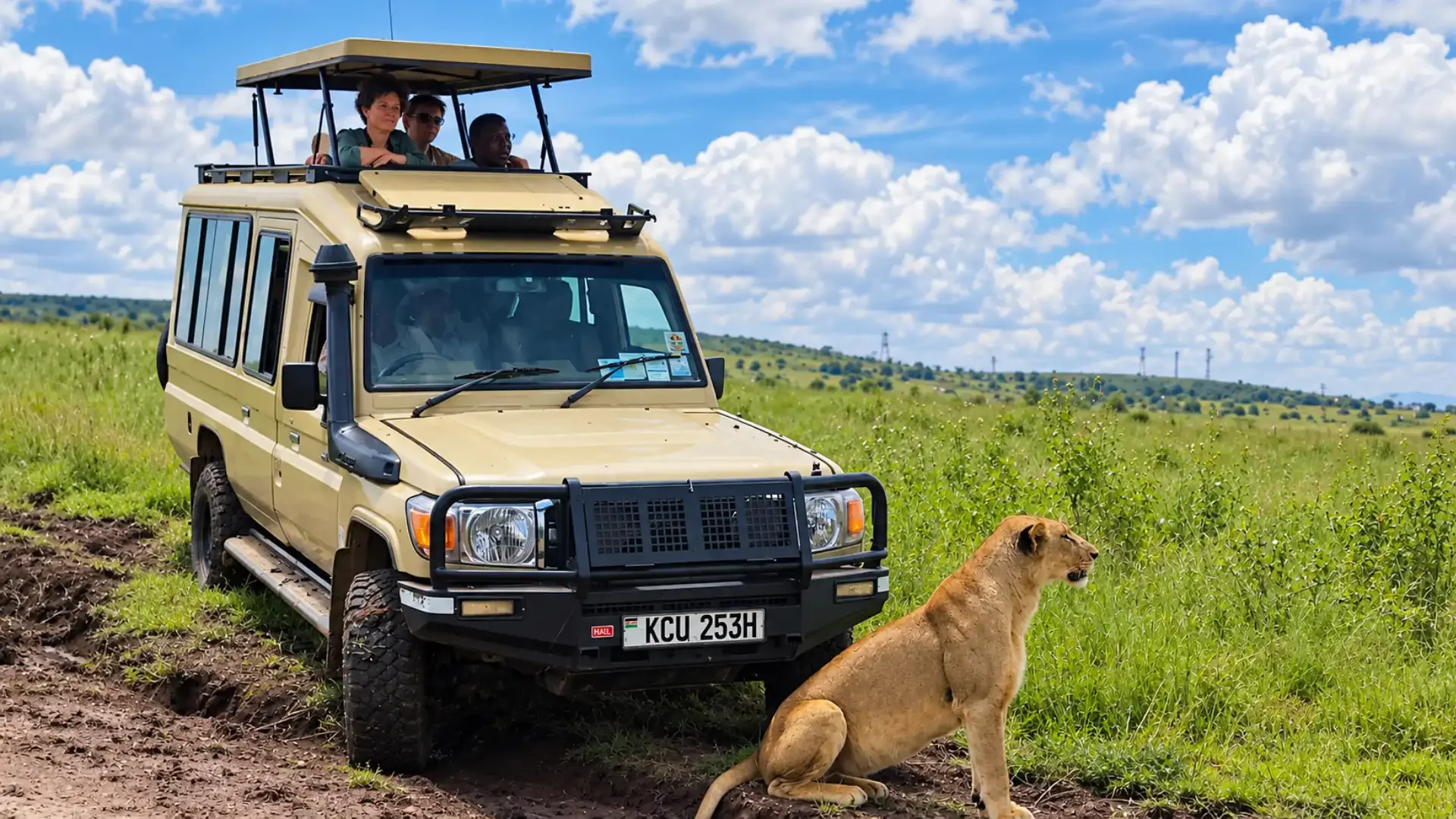
What to Expect on Your First Time Kenya Safari
Quick answer: On a first time Kenya safari, expect early starts, two game drives a day in an open-roof 4x4, comfortable tented camps or lodges, good food, limited Wi-Fi, and a guide who becomes your eyes and ears in the bush. Days follow the animals' rhythm: out at sunrise, rest at midday, out again in the late afternoon. Most first-timers see far more wildlife than they expected, and come home planning the next trip.
Jambo! I'm Kelvin, a Kenyan driver-guide. I plan and guide private safaris for couples and families. This guide tells you exactly what a first time Kenya safari is like, from landing in Nairobi to your last sundowner, so you can relax and enjoy every moment.
First time Kenya safari at a glance
What | What to expect |
|---|---|
Daily rhythm | Wake around 5:30–6 am; game drives at dawn and late afternoon; rest at midday |
Vehicle | 4x4 safari vehicle with a pop-up or open roof and a window seat for everyone |
Wildlife | Lions, elephants, giraffes, zebras, buffalo and much more; the Big Five are possible but never guaranteed |
Accommodation | Tented camps with proper beds and en-suite bathrooms, or lodges |
Food | Hearty buffet or set meals; dietary needs catered for with notice |
Wi-Fi and power | Often limited; charging may be only in the main area or at set times |
Weather | Cool mornings, warm to hot afternoons; dusty in dry season |
Roads | Bumpy park tracks; long drives between parks |
Tipping | Customary for guides and camp staff |
Arriving in Kenya
Most safaris begin at Jomo Kenyatta International Airport (NBO) in Nairobi.
- Before you land: have your printed Kenya eTA, Kenyan inbound travel health insurance certificate and passport ready for immigration.
- Immigration and baggage: queues vary; allow time, especially when several long-haul flights land together.
- Meet your guide: I meet my guests in the arrivals hall with a name sign, help with bags and take you to your hotel or straight onto safari.
- First night: if you land in the evening, you'll usually spend a night in Nairobi to rest before heading out the next morning. If you arrive early, a half-day visit to Nairobi National Park or the elephant orphanage is a great start.
Kelvin's tip: get a local SIM or eSIM at the airport for WhatsApp and maps. Mobile coverage is surprisingly good in many parks, though patchy in remote areas.
A typical day on a Kenya safari
Safari days follow the animals. They're most active in the cool of early morning and late afternoon, so that's when you're out looking for them.
Time | What happens |
|---|---|
5:30–6:00 am | Wake-up call, often with tea or coffee brought to your tent |
6:00–6:30 am | Morning game drive, as the sun rises and predators are still active |
9:00–10:00 am | Breakfast back at camp, or a bush breakfast out on the plains |
10:00 am–12:00 pm | Optional: continue the drive, or relax at camp |
1:00 pm | Lunch |
1:30–3:30 pm | Rest time: a nap, the pool, reading, or watching animals at the waterhole |
4:00 pm | Afternoon tea, then the afternoon game drive |
6:30 pm | Sundowner drinks as the sun sets |
7:00 pm | Back at camp (park rules usually require vehicles out of the reserve by dusk) |
8:00 pm | Dinner, stories around the campfire, early night |
On a private safari, this is flexible. If you'd rather sleep in, take a full-day drive with a picnic lunch, or head back early with tired children, we simply adjust.
Transfer days look different: you'll drive (or fly) to the next park, usually with game viewing on the way and an afternoon drive on arrival.
What a game drive is really like
The vehicle. You'll ride in a 4x4 safari vehicle with a pop-up or open roof, so you can stand up for photos and a clear view. On a private safari, everyone gets a window seat and the vehicle is yours for the whole trip.
Finding animals. Your guide reads tracks, listens for alarm calls, watches for circling vultures and shares news with other guides by radio. Some sightings happen in seconds; others mean waiting quietly while a leopard decides whether to come down from a tree. Patience is part of the magic.
What you'll see. On a first time Kenya safari, most visitors see elephants, giraffes, zebras, wildebeest, buffalo, hippos and a wide range of antelope and birds, plus lions in parks like the Maasai Mara. Leopards are shyer, and rhinos are best seen in Ol Pejeta, Lewa or Lake Nakuru.
The Big Five are lion, leopard, elephant, buffalo and rhino. You can see all five in Kenya, but no honest guide can guarantee it: this is wild nature, not a zoo. Combining the Maasai Mara with a rhino sanctuary gives you the best chance.
Bush stops. On long drives, your guide will find a safe spot for a "bush toilet" break, or stop at a lodge or park gate with facilities. It's normal, and nobody minds.
Bumps and dust. Park tracks can be rough, especially after rain. Hold on when standing, keep your camera in a bag between sightings, and wear your seatbelt when the vehicle is moving.
Kelvin's tip: put the camera down sometimes. Some of the best safari moments, like the sound of a lion roaring at dusk, are ones you'll remember rather than photograph.
What safari camps and lodges are like
Forget the idea of roughing it. Most safari accommodation in Kenya is comfortable, and much of it is beautiful.
- Tented camps: large canvas tents on wooden platforms with proper beds, en-suite bathrooms (often with hot showers) and a veranda overlooking the bush. Many are unfenced, so animals may wander past at night.
- Lodges: solid buildings with rooms, a restaurant and often a pool. Common in national parks and good for families.
- Meals: usually breakfast, lunch and dinner, served as a buffet or set menu. Expect fresh, hearty food: think grilled meats, salads, curries, local dishes and good coffee. Tell me about allergies or dietary needs in advance.
- Drinking water: bottled or filtered water is provided; don't drink tap water.
- Power: many camps run on solar or generators. You may charge devices in your tent, or only in the main area or at set times.
- Wi-Fi: often available in the main area but slow; some remote camps have none. Think of it as a digital detox.
- Laundry: most camps offer a laundry service, so you can pack light.
- Night-time: in unfenced camps, a staff member (askari) walks you to and from your tent after dark. Use the whistle or radio in your tent if you need anything.
Read more in my guide to safari accommodation styles in Kenya.
Your safari guide
Your guide is the heart of your safari. A good driver-guide spots animals you'd never notice, explains their behaviour, positions the vehicle for the best light and keeps you safe. Ask questions; that's what we're there for. On my trips, the person who plans your safari is the same person who guides it, so you never have to repeat yourself.
Tipping on safari
Tipping is customary in Kenya's safari industry and much appreciated. It's always your choice and should reflect the service you received.
- Your driver-guide: many travellers budget around USD 10–20 per guest per day, given at the end of the trip.
- Camp and lodge staff: most camps have a communal tip box shared among all staff; a similar daily amount per guest is common.
- Small extras: porters and hotel staff in Nairobi appreciate a small tip.
US dollars in small, newer notes or Kenyan shillings both work.
Culture and etiquette
Kenyans are warm and welcoming, and a few words of Swahili go a long way.
Swahili | Meaning |
|---|---|
Jambo | Hello |
Habari? | How are you? |
Asante (sana) | Thank you (very much) |
Karibu | Welcome / you're welcome |
Pole pole | Slowly, slowly (take it easy) |
Twende | Let's go |
Simba / Tembo / Twiga | Lion / elephant / giraffe |
- Ask before photographing people, especially in Maasai and Samburu communities.
- Dress modestly in towns and villages; safari clothes are fine in the parks.
- Visit communities respectfully: a cultural visit to a Maasai village is a highlight for many guests, and I'll explain what to expect beforehand.
First-timer tips from Kelvin
- Bring binoculars. One pair per person is ideal. They turn a distant dot into a leopard.
- Dress in layers. Early mornings are cold; afternoons are hot.
- Spend at least 3 nights in the Maasai Mara. It gives you time for the big cats, and for a river crossing in Migration season.
- Don't over-pack the itinerary. Two or three parks in a week is plenty.
- Say yes to the early start. Dawn is when the most exciting sightings happen.
- Tell your guide what you'd love to see. We'll focus the drives on your wish list.
- Enjoy the small things too: dung beetles, weaver birds and dik-diks are as fascinating as lions once you know their stories.
- Sort documents early: eTA and Kenyan health insurance for every traveller.
Common first-safari mistakes
- Expecting a zoo: animals are wild and sightings vary day to day.
- Wearing dark blue, black or bright white on game drives.
- Bringing a hard suitcase on a fly-in safari.
- Skipping travel insurance or a travel clinic visit.
- Spending the whole drive behind a camera lens.
Planning ahead? Read How to Plan a Safari Trip in Kenya, my Kenya safari packing list and the best time for a Kenya safari.
Frequently asked questions
What should I expect on my first Kenya safari? Expect early mornings, two game drives a day in an open-roof 4x4, comfortable camps, good food and limited Wi-Fi. Most first-timers see elephants, giraffes, zebras, lions and much more within the first day or two.
Will I see the Big Five on a first time Kenya safari? It's possible but never guaranteed. Lions, elephants and buffalo are seen often in the Maasai Mara; leopards are shyer, and rhinos are most reliably seen in Ol Pejeta, Lewa or Lake Nakuru.
How long is a game drive? Usually 3 to 4 hours in the morning and 2 to 3 hours in the late afternoon. Full-day drives with a picnic lunch are also popular in the Maasai Mara.
Is there Wi-Fi on safari in Kenya? Most camps have Wi-Fi in the main area, but it can be slow, and some remote camps have none. Mobile data works in many parks.
Are there toilets on game drives? Not usually. Your guide will stop at a safe spot for a bush break, or at a lodge or gate with facilities.
How much should I tip my safari guide in Kenya? Many travellers budget around USD 10–20 per guest per day for their guide, plus a contribution to the camp staff tip box. Tipping is always your choice.
Is a first safari good for children? Yes. A private safari lets you set the pace, and many camps welcome families with pools, family tents and children's activities.
Ready for your first safari?
Tell me your dates, who's travelling and what you'd love to see, and I'll plan a first safari that's relaxed, safe and unforgettable. Every trip is operated by me under Wild Sights Safaris (TRA No: TRA1/22/C01/76306).
Plan your first safari with Kelvin →
Sources
Checked in November 2026:
- Kenya Directorate of Immigration Services: Kenya eTA portal
- Ministry of Health, Gazette Notice No. 11492 (30 July 2026), and eCitizen inbound travel health insurance
By Kelvin Ngugi, founder of Safari Trips in Kenya and Wild Sights Safaris (TRA No: TRA1/22/C01/76306) · Last updated: November 2026
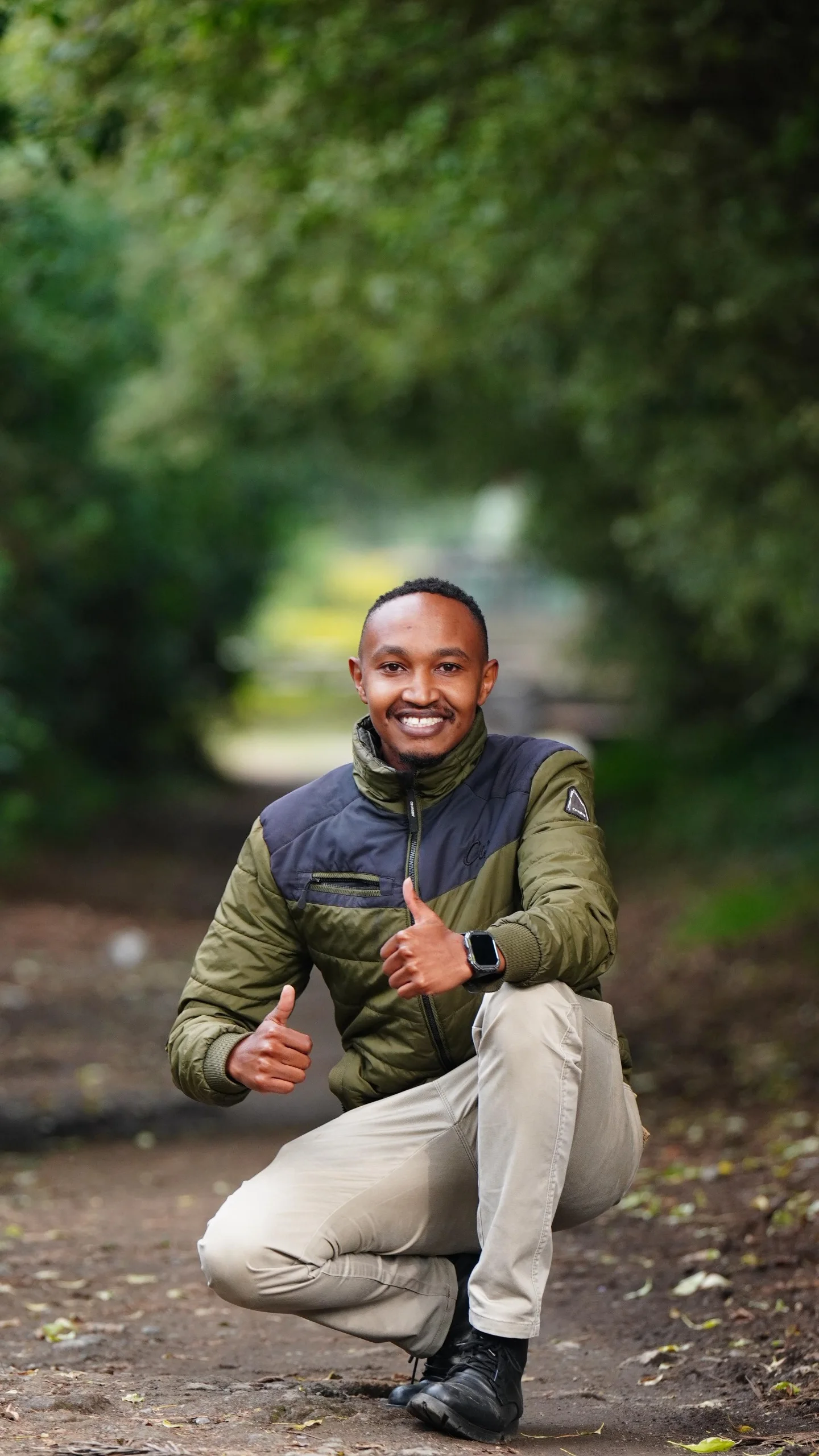
Kelvin Ngugi
Safari Expert | Tour GuideA dedicated Safari Specialist with extensive knowledge of Kenya’s breathtaking destinations, wildlife, and unique travel experiences. Passionate about creating unforgettable journeys, I specialize in designing personalized safari itineraries that combine adventure, comfort, and authentic cultural encounters. My goal is to ensure every traveller enjoys a seamless, memorable, and enriching African safari experience.
Ready to plan your own Kenya family safari?
Our team can help make these ideas fit your travel dates, family ages and preferred level of comfort.
Plan Your Family Safari