

January to February
Many safari regions experience warmer, relatively dry conditions. We often suggest Amboseli, Samburu, Meru and Laikipia for families travelling early in the year.
Where should we go? Which month is best? What is the difference between a national park and a conservancy? Will our children enjoy the journey? We have brought the answers together in one easy to follow guide.
We plan private family safaris in Kenya. We want you to understand the choices before booking, from the wildlife areas and places to stay to the vehicle you travel in and the weather you may meet.
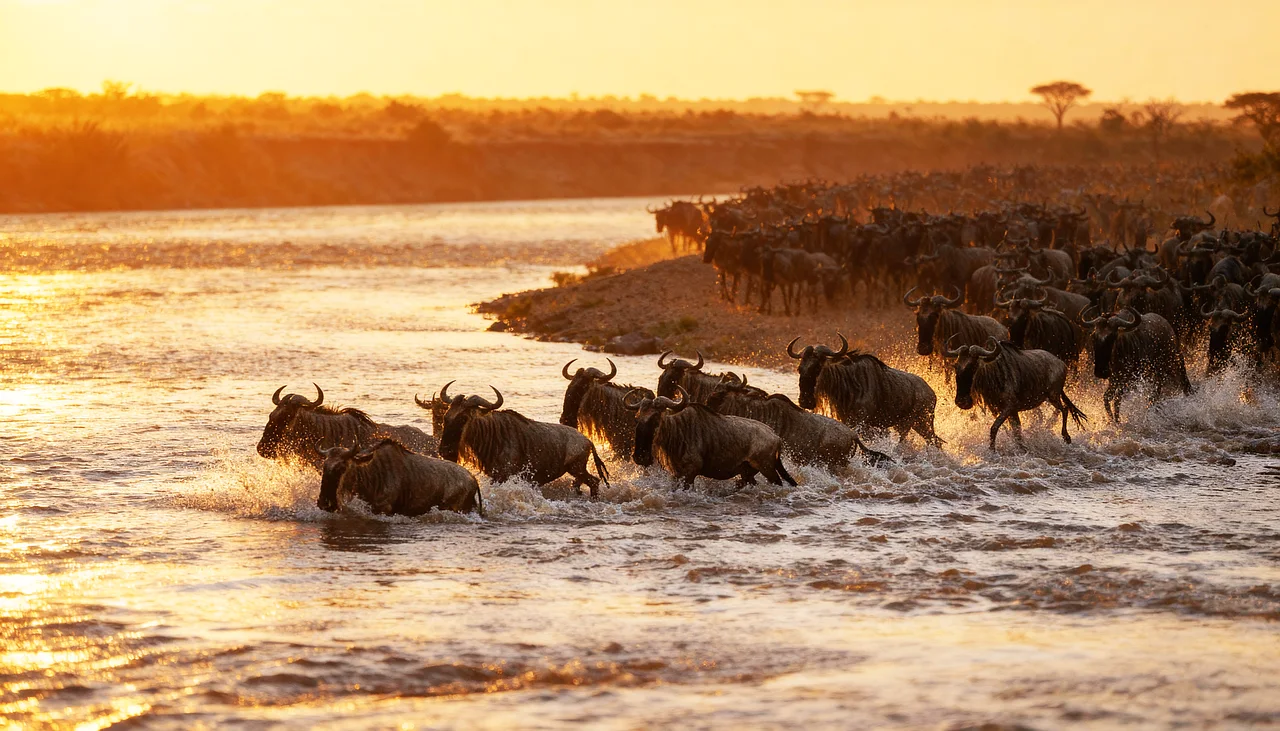
Kenya has grasslands, forests, lakes, mountains and drier northern landscapes. Different animals live in different areas. Some places are good for big cats, others for rhinos, elephants, rare northern wildlife or birdlife.
We look at your travel month, the ages of your children, how long you have, your comfort level and the animals you hope to see. We then suggest a route that fits, with enough time to enjoy each place.
Our first piece of advice: do not try to visit six distant parks in six days. A slower private safari usually feels more relaxed and gives everyone more time with wildlife.
Kenya does not have one weather pattern everywhere. The coast, mountains, Rift Valley, north and Maasai Mara can feel different during the same month. These are usual patterns, not a forecast for your exact dates.
Many safari regions experience warmer, relatively dry conditions. We often suggest Amboseli, Samburu, Meru and Laikipia for families travelling early in the year.
Rain usually increases in many inland areas, often peaking around April. Parks become green, but some tracks may be muddy and certain camps may close. Coastal rain patterns can differ.
Many inland safari areas become cooler and drier. It is a popular time for the Maasai Mara and northern Kenya, with cold early mornings in highland areas.
Many areas receive shorter periods of rain, although timing and amounts vary. Wildlife remains present, vegetation grows and birdlife can be rewarding.
The Kenya Meteorological Department describes the common March to May and October to December rainy seasons and the large differences between regions. We check seasonal outlooks again before your safari.
Use these twelve month guides to start planning. The parks listed are suggestions based on typical wildlife and weather patterns. We match the final route to your real dates and current road conditions.
Many areas have warmer days and more manageable road conditions. Amboseli is popular for elephants and Mount Kilimanjaro views; the northern circuit is excellent for unusual dry country wildlife.
Areas we consider: Amboseli, Samburu, Ol Pejeta, Lewa
A lovely time for a first private safari, but keep water and sun protection close.
Often warm and good for wildlife drives. Resident lions, elephants and giraffes can be seen in the Mara, while Samburu adds reticulated giraffes and Grevy's zebras.
Areas we consider: Amboseli, Samburu, Meru, Maasai Mara
A good school break option for families who enjoy full but unhurried days.
Early March may remain fairly dry, but the long rains can start during the month. Green landscapes develop and rain may affect dirt roads and outdoor activities.
Areas we consider: Ol Pejeta, Lewa, Nairobi National Park, Amboseli
Choose comfortable lodges and leave time to adjust game drives around showers.
April is often among the wettest months for many safari areas. Parks become green and beautiful, but some roads are muddy and certain remote camps may close temporarily.
Areas we consider: Nairobi National Park, Ol Pejeta, Lake Nakuru
Best for flexible travellers who are comfortable with weather changes and shorter drive days.
Rain continues in many regions, although the coast and highlands do not follow identical patterns. The scenery can be lush and birdlife rewarding; check lodge openings carefully.
Areas we consider: Meru, Lake Nakuru, Ol Pejeta, selected Mara lodges
We verify road access and family facilities before suggesting a stay.
Many places begin moving toward the cooler dry period. Conditions can suit northern safari routes and wildlife viewing, while mornings in the highlands and Mara may feel chilly.
Areas we consider: Laikipia, Samburu, Amboseli, Maasai Mara
Pack layers for early drives, especially with young children.
A popular safari month. Migrating wildebeest may begin reaching the Mara, but arrival dates and river crossings are not predictable. Many routes are busy during school holidays.
Areas we consider: Maasai Mara, Mara Triangle, Amboseli, Samburu
Book family rooms and a preferred guide early; carry warm clothing for morning drives.
Often a strong month for large wildebeest herds in the Mara, with possible crossings. Wildlife movement depends on rainfall and grass, and sightings cannot be guaranteed.
Areas we consider: Maasai Mara, Mara conservancies, Laikipia
Excellent for school holiday families who can plan ahead and allow four or five Mara nights.
Often rewarding for Mara migration viewing and dry season game drives. Water levels and regional conditions still vary, so we plan routes using up-to-date reports.
Areas we consider: Maasai Mara, Amboseli, Tsavo East, Ol Pejeta
A strong month for longer wildlife stays and families who can travel outside peak school dates.
A changeable month. Some migrating herds may remain in the Mara, while showers begin in parts of Kenya. Greener scenes and fewer vehicles are possible in some areas.
Areas we consider: Maasai Mara, Samburu, Meru, Lake Nakuru
Good for families happy to mix wildlife viewing with flexible weather plans.
Short rains often bring fresh grass, dramatic skies and active birdlife. The main migration herds may already have moved south; local wildlife remains year round.
Areas we consider: Ol Pejeta, Lewa, Meru, Nairobi National Park
We choose suitable roads, good lodge facilities and sensible daily driving distances.
Conditions are variable across Kenya. Some areas begin to dry while others receive showers. Christmas and New Year can still be busy even without the main Mara migration.
Areas we consider: Amboseli, Tsavo, Maasai Mara, Laikipia
Reserve festive travel early and check the most recent weather outlook before departure.
Planning for the Great Migration? Late July through September is often a strong window for Maasai Mara herds, but crossings cannot be predicted on a particular date. Read our travel journal for detailed season guides.
These words are often used together, but they describe different types of protected wildlife areas and how they are managed. The exact rules depend on each place.
National parks are protected areas with wildlife and visitor rules. Many are managed by the Kenya Wildlife Service. Activities often focus on vehicle game drives and approved sites, with walking or other experiences permitted only where the individual park allows them.
Examples: Amboseli, Nairobi National Park, Tsavo East, Tsavo West, Lake Nakuru and Meru.
Explore national parksReserves also protect wildlife but may have different management arrangements, including county government management or partnerships. The Maasai Mara National Reserve is not a national park. The Mara Triangle is a managed section of the wider reserve.
Examples: Maasai Mara and Samburu National Reserve.
See safari destinationsConservancies are protected wildlife areas often managed through community, private landowner or partner arrangements. Some offer smaller camps, limited vehicle numbers, guided walks or night drives where rules permit them. These activities are not automatic at every conservancy.
Examples: Ol Pejeta, Lewa, Mara North, Naboisho and Olare Motorogi.
Explore conservanciesFor official guidance see the Kenya Wildlife Service, the Mara Conservancy and the Maasai Mara Wildlife Conservancies Association.
This map follows Kenya's real country outline. Select a numbered park, reserve or conservancy to learn more. The dots show approximate wildlife area centres and are not intended for navigation.
Map boundary data: Natural Earth. Park dots are approximate. Scroll sideways on small screens.
Some routes give you more time with elephants. Others focus on big cats, rhinos, the Great Migration or several types of habitat. We build private journeys around the interests and ages of your group.
Nairobi → Maasai Mara → Mara Triangle or a private Mara conservancy
Lions, cheetahs, leopards and seasonal wildebeest herds. The famous river crossings cannot be guaranteed.
When we consider it: Year round for big cats; late July to September is a useful migration planning window.
Ask us about this routeNairobi → Amboseli → Tsavo West → Tsavo East
Elephant families, wide open landscapes, volcanic scenery and a possible coastal extension.
When we consider it: Often appealing in January to February and June to September, depending on conditions.
Ask us about this routeNairobi → Ol Pejeta or Lewa → Samburu → Meru
Rhino conservation, Grevy's zebra, reticulated giraffe, elephant and varied northern landscapes.
When we consider it: Good across much of the year; consider road access during the long rains.
Ask us about this routeNairobi National Park → Lake Naivasha → Lake Nakuru → Ol Pejeta
Shorter transfers where practical, rhinos, giraffes, birds and room for relaxed family breaks.
When we consider it: Possible year round, with weather and lodge access checked before travel.
Ask us about this routeNairobi → Amboseli → Tsavo West or East → Kenya Coast
Elephants, rugged scenery, a comfortable safari pace and rest days by the ocean.
When we consider it: We choose months around both inland rains and coast weather, which follow different patterns.
Ask us about this routeNairobi → Laikipia conservancy → Maasai Mara National Reserve → Mara conservancy
Rhino conservation, guided wildlife learning, predators and different safari accommodation styles.
When we consider it: Year round for resident wildlife; July to September for a migration focused itinerary.
Ask us about this routeWant to see Kenya in your own way? Explore our existing private Kenya family safari packages. We can adjust days, lodges and destinations to suit your family.
Wildlife is the reason most visitors come to Kenya, but a good journey also depends on the small practical decisions. Here are the things we talk through with every first time safari family.
Most international safari travellers arrive through Nairobi. If you continue by a small domestic aircraft, your departure may be from a different airport. We allow time for immigration, luggage, traffic and the transfer between airports. A first night in Nairobi can make the start feel more relaxed.
Road journeys give you more flexibility, especially on a family safari with several stops. Flying saves some travel time on longer routes but usually costs more and may have strict luggage limits. We help you compare the complete journey, not only the journey on the map.
The local currency is the Kenyan shilling. Payment options differ between camps, small shops and towns, so it helps to carry a suitable mix of methods. Tipping is generally a personal choice. We explain what your safari includes and what you may want to budget for separately.
Wildlife entry fees are not the same everywhere. A national park, the Maasai Mara reserve and a private conservancy may have different rates, child age bands and rules about how long an entry is valid. We check current fees for your actual dates and show them clearly in the quote.
Wildlife is often active in the cooler hours, so many safari days begin early. There is usually time for meals and rest before another drive. In a private vehicle we can adjust the plan for a tired child, a longer sighting or an afternoon by the pool.
We encourage you to learn from local guides, ask before taking photographs of people and respect cultural visits. Conservancy fees and responsible tourism can help protect wildlife habitat and support local communities, but the exact benefit depends on the place you choose.
These are useful travel descriptions rather than official hotel star ratings. The biggest differences are usually room comfort, privacy, dining, guiding and what is included in the cost.
Simple rooms or permanent tents, basic meals and essential facilities. A good fit when you want to spend more of your budget on game drives.
Best for: Families who value simplicity and are comfortable checking the basics carefully.
Comfortable lodges or tented camps, often with a private bathroom, restaurant and sometimes a pool or family room.
Best for: Families who want reliable comfort and value.
More spacious rooms, attractive settings, thoughtful service and sometimes small camps in prime wildlife areas.
Best for: Families who want added comfort and a slower, more personal experience.
Exceptional space, privacy, tailored experiences and, at selected properties, private suites, guides or exclusive use.
Best for: Families celebrating something special or placing a high value on privacy.
Higher accommodation prices do not guarantee more animals. We compare the complete holiday price, including park fees, guiding, transport and family room arrangements. Browse our safari lodges and camps.
Both can be used for safari travel, but they are not the same. We recommend a vehicle based on where you are going, the road conditions, group size, comfort and budget. Exact vehicle specifications vary by operator.
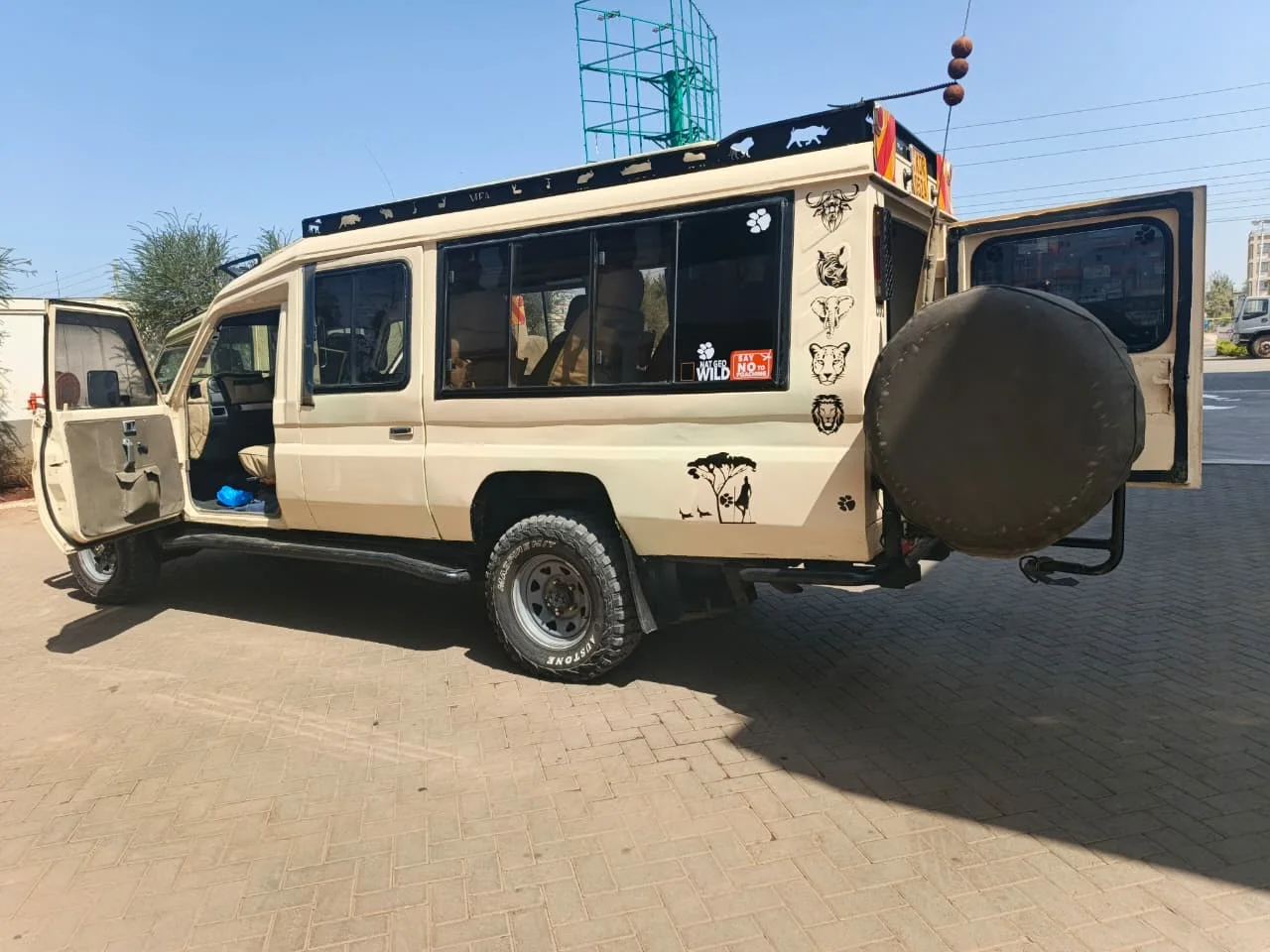
Often our first choice for longer wildlife drives and rougher tracks. A purpose built Land Cruiser normally offers strong ground clearance and four wheel drive, with a pop up viewing roof in many safari versions.
We usually suggest it for: Mara, Samburu, Tsavo, longer private safaris and travel when rough roads are expected.
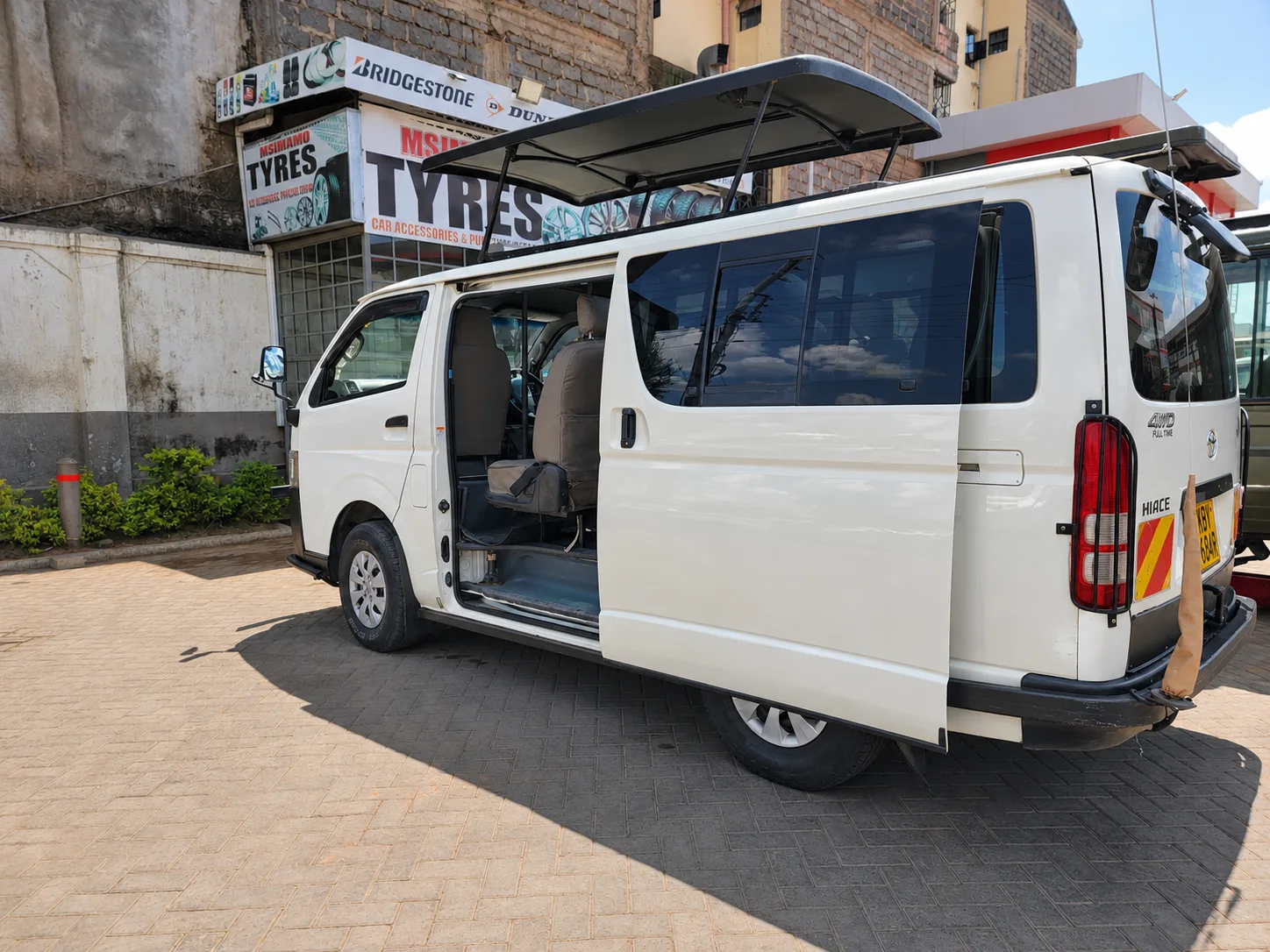
A tour van can be a practical and comfortable way to travel on suitable roads, often at a lower vehicle cost. Many have a pop up roof for viewing, but ground clearance and four wheel drive capability vary.
We usually suggest it for: Suitable road routes, shorter visits and families looking for good overall safari value.
These simple habits help protect wildlife, other visitors and your family. Local park or conservancy rules always take priority over a general guide.
The Kenya Wildlife Service park rules and Mara Conservancy park rules provide the detailed official requirements. Some rules differ by protected area.
Children can have wonderful safari experiences. The key is choosing realistic drive times, suitable places to stay and activities they can enjoy safely.
We focus on comfortable family rooms, shorter drives, reliable meals, rest breaks and a suitable child seat. Some small camps have minimum age rules. We check these before recommending a stay.
We leave room for breaks, swimming where available and activities that make wildlife learning fun. A private vehicle allows the guide to follow the children's interests and return earlier when needed.
Teenagers often enjoy conservation stories, photography and longer drives. We can suggest rhino conservation areas and guided experiences, checking age requirements for walking or special activities.
We consider walking distances, steps, room access, bathrooms, vehicle boarding and the pace that works for children and grandparents together. More expensive does not always mean more accessible.
Health and entry requirements can change. We keep the information below clear, with official links so that your family can check the latest advice before departure.
On 3 November 2026, Kenya's Ministry of Health reported nine confirmed cases connected to one transmission chain, with no evidence of community transmission and no new cases reported since 19 October. The World Health Organization has advised against general travel restrictions based on the information available at that time. Surveillance and contact monitoring continue.
This is a dated update, not a live case counter. Anyone planning to travel later must check the latest statements, follow any entry screening rules and seek advice from qualified health professionals. We do not make medical decisions for travellers or promise that conditions cannot change.
Ask a travel health professional about vaccines, malaria prevention, suitable insect repellent and your personal medical needs. Advice depends on your route, age, health and country of departure.
Travel health guidanceCheck your passport requirements and whether you need Kenya's Electronic Travel Authorisation. Some travellers are exempt and the rules can change. Children also need the appropriate travel documents.
Official Kenya eTA portalWe advise checking that your travel insurance covers your route, health needs, safari activities, trip changes and suitable medical evacuation benefits. Do not assume the most basic policy is enough.
We check recent weather, road access and travel guidance before your journey. During rainy periods, some roads may become difficult and a route may need adjustment.
Kenya Meteorological DepartmentWe can help with the planning, but it makes a real difference when we know what matters to your family.
Talk to our safari expertThere is no single best month for everyone. January to February and June to September are often drier in many inland safari regions. The best choice depends on the wildlife you hope to see, school holidays and the places you want to visit.
Yes. Many parks remain open and the scenery can be beautiful. Roads may be muddy, some activities may change and selected camps can close for part of the long rains. We check each route and lodge before booking.
No. A suitable tour van can work well on some routes. A properly equipped 4x4 Land Cruiser is usually better suited to rough or wet tracks. We recommend the vehicle after looking at your route and family needs.
Many wildlife species live in Kenya's parks throughout the year. Sightings are never guaranteed, but a good guide and enough time in the right area can make the experience rewarding in any season.
Full board usually describes accommodation with breakfast, lunch and dinner. A fully inclusive safari may also cover some activities, drinks, guiding and other services, but the meaning varies. We give you a written list of everything included and excluded.
Many can be wonderful for families because they offer guided learning and a quieter setting. However, every camp has its own age rules and facilities. Some activities such as walks or night drives have restrictions.
As soon as dates are reasonably clear, especially for July to September, Christmas, New Year and other school holidays. Larger family rooms and private vehicles may be in limited supply. Availability is only confirmed by the supplier.
We encourage you to follow official advice rather than rumours. Kenya reported a linked Ebola cluster in October 2026, and the Ministry of Health continues surveillance. The situation can change, so check the latest Ministry of Health and WHO updates before travelling and consult a qualified health professional if you have concerns.
Tell us your preferred month, your family's ages and the wildlife you hope to see. We will recommend a practical private safari with the right parks, stays and vehicle for you.
Hello Traveller!
Need help planning your Kenya safari? Send us a message and our team will assist you.
Safari Trips in Kenya