


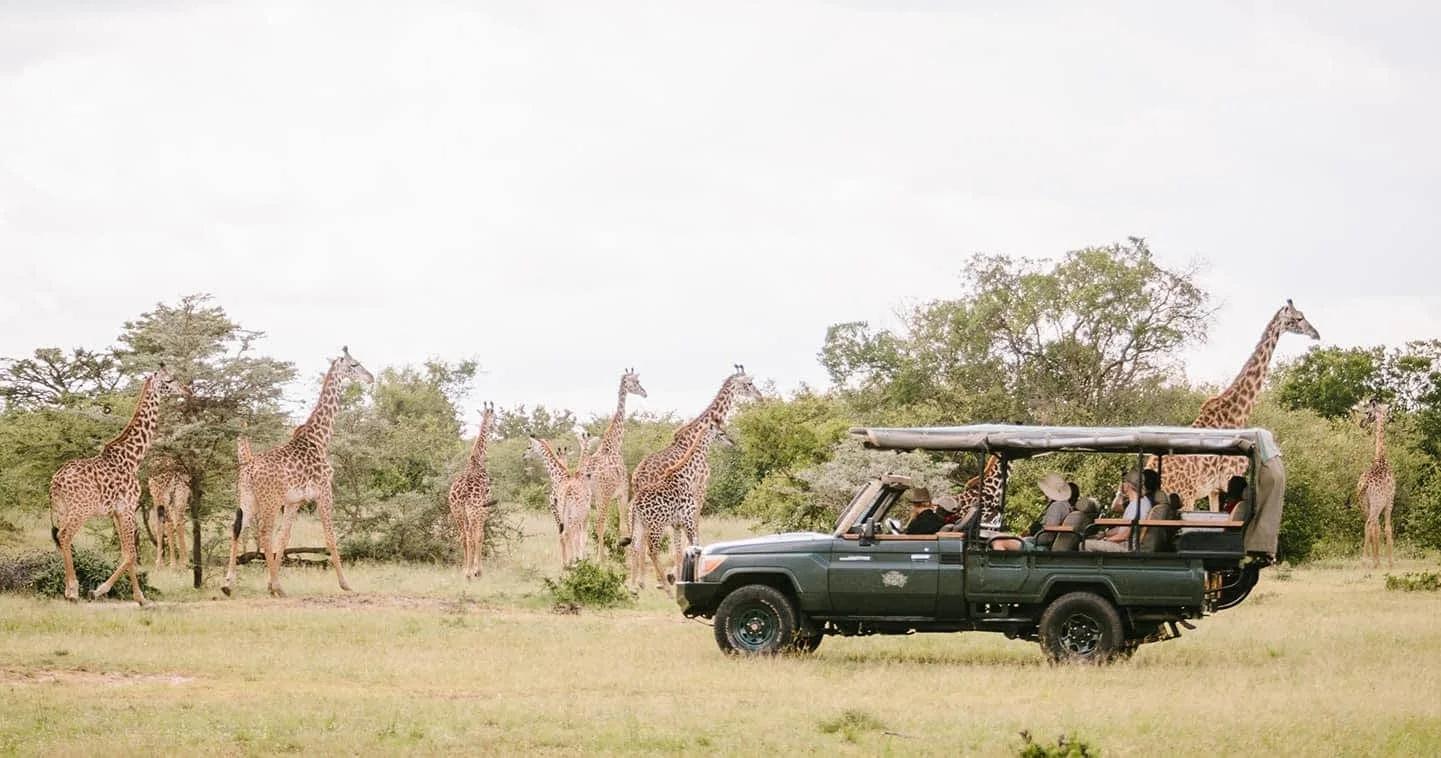
What is the best time to visit the Maasai Mara in Kenya? Many people choose July to October because large migrating herds may be in the wider Mara area. But that is only one part of the story. The Maasai Mara is home to lions, elephants, giraffes, zebras and many other animals all year. For a family, a quieter month with a relaxed game drive can be just as special as a busy migration season.
This simple month by month guide helps you choose your travel dates. We cover wildlife, rain, crowds, school holidays and the extra planning that can make a Maasai Mara family safari more comfortable. If you already know your travel month, you can also explore our private Kenya safari packages.
Quick guide to the Maasai Mara safari seasons
- January to February: Often good for general wildlife watching, with warmer days and fewer peak season visitors.
- March to May: Rain becomes more likely, especially during the usual long rains in April and May. Expect green scenery and some muddy tracks.
- June: Conditions often start to dry out. It can be a good month for wildlife viewing before the busiest holiday period.
- July to October: A popular time for migration possibilities, dry season game drives and school holidays. Expect greater demand for camps and vehicles.
- November to December: Short rains may bring fresh grass, attractive landscapes and excellent birdwatching. Festive dates can still be busy.
Weather does not follow the same dates every year. The wider Mara has hills, valleys and open plains, so one area may receive rain while another stays dry. See the Kenya Meteorological Department forecasts as your holiday approaches.
Maasai Mara month by month: what to expect
January: wildlife and a relaxed start to the year
January often brings warm afternoons and enjoyable game drives. Grass can still be green after earlier rain, and many resident animals remain active. For families, this can be a good month to avoid the largest migration season crowds while enjoying time with a guide who knows the area.
February: a good choice for general game viewing
February is often relatively dry, though some rain can still fall. Big cats, elephants, giraffes and many antelopes can be found throughout the year, so there is plenty to look for without the migrating herds. If your children are new to safaris, plan shorter morning and evening drives with a rest in between.
March: the weather begins to change
March is a changeable month as the long rainy season approaches in many parts of Kenya. Some days may be sunny and others wet. It is worth choosing accommodation with good access and a flexible daily programme. Wildlife is still present, but thicker grass can sometimes make smaller animals harder to spot.
April: green landscapes and more rain
April often sits within the long rains. Roads may become muddy, and some camps close for maintenance or because access becomes difficult. If you enjoy green views and are comfortable with changing plans, April can still be rewarding. For a family seeking easy road travel and a full programme of daily drives, a drier month may be simpler.
May: quiet safari time, with access to check
May can be wet, especially early in the month. The plains may look fresh, and birdwatching can be good, but driving conditions vary. Check your lodge opening dates, available routes and the type of vehicle before paying. A lower quoted room rate is only good value if the full journey still works well for your family.
June: a lovely month before the busiest weeks
June often becomes drier as the main rains ease. It can be a good time for clear wildlife viewing and cool early mornings. Large migrating herds may begin reaching parts of the Mara ecosystem around this part of the year in some seasons, but arrival dates change. Choose June for the wider safari experience rather than for a promised river crossing.
July: migration possibilities and school holidays
July is one of the best known months for the Mara. Families may hope to see large herds of wildebeest and zebra, and many international visitors travel during school holidays. Camps in popular areas can fill early, and game viewing vehicles may gather at famous sightings. A private itinerary with enough days gives your family more freedom to enjoy the plains.
August: peak travel season for many families
August is often very busy, especially when school holidays overlap across different countries. The migration may be in the wider Mara, but the animals follow grass and rain rather than a calendar. Morning starts can be cool, so bring a warm layer for children. If you want a camp with family rooms or several rooms together, book well ahead.
September: strong wildlife interest after some holidays end
September can offer a useful balance of safari conditions and travel dates for families who are free to travel outside school holidays. Many visitors still hope to see the migration, and prices may remain at peak levels. Ask where your camp is located and whether your planned game drives will take place inside the national reserve, a neighbouring conservancy or both.
October: late migration possibilities and changing weather
October is often included in the popular migration window, but the herds may have moved earlier or may still be nearby. Rain can begin returning in parts of the ecosystem. Families who enjoy photography may like the changing light and greener patches. Do not build the holiday around one river crossing or one specific animal sighting.
November: fresh grass and the short rains
November is often associated with the short rains. The land becomes greener in many years, birds are interesting to watch and visitor numbers may ease after the main migration season. Some afternoons can be wet, so a private guide who can adjust the timing of drives is helpful.
December: family holidays and a lively festive period
December can be lovely for a family safari, even though the main migration is usually farther south. The landscape may be green after rain, and the Mara's resident animals remain. Around Christmas and New Year, demand can rise sharply, so the festive period is not always a quiet or cheap time to visit. Confirm exact seasonal prices and payment rules before booking.
When is the Great Migration in the Maasai Mara?
The Great Migration is the movement of large herds, mainly wildebeest and zebra, through the Mara and Serengeti ecosystem. Herds often reach the Kenyan side around July and may remain in parts of the region through October. Some years they arrive earlier, later or move back and forth across the border. Rainfall and new grass guide where the animals go.
River crossings cannot be booked or guaranteed. A family can wait beside the river and see no crossing, or see one happen unexpectedly. We believe the best approach is to enjoy the whole safari: the resident wildlife, birds, sunsets, your guide's stories and time together. The Mara North Conservancy migration guide provides further information about the seasonal movement.
If the migration is the main reason for your visit, allow several nights where your guide can respond to current wildlife reports. Ask about distances between your camp and the areas you hope to visit. Spending more time in the right region often matters more than adding another distant park.
Is the Maasai Mara worth visiting without the migration?
Absolutely. The Maasai Mara's lions, cheetahs, elephants, giraffes, buffaloes, antelopes and many birds do not leave just because the migrating herds are elsewhere. You may enjoy watching a family of elephants, learning how a lion pride rests or seeing colourful birds near a river. These are meaningful experiences in any month.
Travelling in January, February, June or some quieter weeks in November can also suit families who prefer a more relaxed atmosphere. Conditions and prices vary by exact date and property, so we check your options rather than saying that one season is always cheapest.
National reserve or private Mara conservancy?
The Maasai Mara National Reserve is the best known part of the region and has its own rules and entry arrangements. Nearby private or community conservancies protect important wildlife land and may limit the number of visitors. The activities offered in a conservancy depend on its specific rules, the lodge and the ages of the guests.
For families, a conservancy stay may offer a quieter base and more room to follow a comfortable daily schedule. However, staying in a conservancy does not automatically include entry into the national reserve. Ask whether reserve visits, extra entry fees or longer transfers are part of your itinerary. Explore Mara North Conservancy, Mara Naboisho Conservancy and our full conservancy guide.
What is the best time for a Maasai Mara safari with children?
The best month is the one that gives your family enough time to enjoy the trip without rushing. July and August suit many school holiday schedules but are busy and often cost more. January, February and June may be easier for families who can travel outside the most popular dates. April and May can work for flexible travellers, but rain and access need extra attention.
Consider the age of your children. Very young travellers often do better with a shorter drive, an early lunch and time to rest. Older children may enjoy longer searches for lions, photography and learning about conservation. With a private vehicle, you can choose when to stop rather than following another family's schedule.
Before choosing a camp, ask about the minimum age for guests, room arrangements, safe areas around the property and any activities that are restricted for children. A safari in a wildlife area is not the same as a trip to a zoo. Adults must follow staff advice at all times.
How many nights should a family spend in the Mara?
Three or four nights often gives a family a comfortable introduction. You have time for several morning and afternoon drives, a break during the day and a chance to enjoy the camp. Two nights can work for a short break, but much of the first and last day may be used by travel. Families wanting to explore more than one Mara area may benefit from a longer stay.
If you have six to ten days in Kenya, you can combine the Mara with Ol Pejeta for rhino conservation, Lake Nakuru for birdlife, or Amboseli for elephants and mountain views. The best route depends on how many days you have and whether you want to drive or fly between regions.
What affects the price of a Maasai Mara safari?
Prices change with the time of year, lodge level, room type, park and conservancy entry costs, number of people sharing, transport and any additional activities. July to October can be costly because many travellers want migration dates. Christmas and New Year may also carry special rates even though those dates are outside the usual peak migration period.
A quote should say clearly what is included. Check accommodation, meals, park and conservancy fees, guide and vehicle charges, flights or road transfers, and how children's rates are applied. We prepare luxury and mid range private Kenya safaris with clear inclusions rather than asking you to guess what will be added later.
What should your family pack for the Mara?
- A warm jumper or jacket for early morning drives, especially around June to August.
- Light, comfortable daytime clothes and good walking shoes for lodge grounds.
- Sun protection, hats, sunglasses and drinking water.
- Binoculars and a camera or phone for wildlife photographs.
- A waterproof layer if you are travelling in wetter months.
- Personal medication and any items your children need to feel comfortable during drives.
Keep a small day bag in the vehicle and avoid bringing too much luggage if you plan to use small safari aircraft. Different airlines may have strict baggage limits, so check them before departure.
Common questions about the best time to visit the Maasai Mara
What month has the best chance of seeing a Mara River crossing?
Many travellers consider July to October, but no month and no day can promise a crossing. The herds move in response to rain and grass. Plan your safari for the full wildlife experience and treat a crossing as a bonus.
Does rain stop all game drives in the Mara?
No. Drives may still operate during wetter months, but heavy rain can make some tracks unsafe. Your guide or camp may change the route or timing. Ask about conditions before booking an April or May trip.
Is August better than January for wildlife?
August can offer migration possibilities and dry season viewing. January may have fewer visitors and strong sightings of resident wildlife. Neither month is better for every family. The right choice depends on what you want to see and how much you value quieter travel.
Can children enjoy a luxury Maasai Mara safari?
Yes, if the chosen camp welcomes their ages and has the right rooms and facilities. Luxury should also mean comfort, safe arrangements and enough time to enjoy each day. We help families find places that fit the people travelling.
Plan a private Maasai Mara safari that suits your dates
We help families choose the right time, area, camp and route for a safari in Kenya. Tell us when you can travel, the ages of your children, how many nights you have and whether you prefer luxury or mid range accommodation. We will explain the options in plain language and build a journey around your family. Ask us to plan your Maasai Mara family safari.
Helpful official and conservation resources
Safari Trips in Kenya Team
Kenya Safari Planning TeamReady to plan your own Kenya family safari?
Our team can help make these ideas fit your travel dates, family ages and preferred level of comfort.
Plan Your Family Safari