

Is Kenya Safe for a Safari Holiday?
Quick answer: Is Kenya safe for safari? For most visitors, yes. Kenya's main safari parks, including the Maasai Mara, Amboseli, Laikipia, Samburu, Lake Nakuru and Tsavo, are well away from the border areas that governments warn against. Travel there with a licensed operator and follow standard precautions. Be aware that in October 2026 the US government raised its advice for Kenya to Level 3, "Reconsider Travel", mainly because of a small Ebola cluster in Nairobi. Check your own government's latest advice before you book and again before you fly.
Jambo! I'm Kelvin, a Kenyan driver-guide. Kenya is my home, and I take my guests' safety personally. I'd rather give you the honest picture than a sales pitch, so this guide covers what official travel advice actually says, where the real risks are, and the practical steps that keep couples and families safe on safari.
Is Kenya safe for safari? At a glance
Topic | What you need to know |
|---|---|
Safari parks | The main parks and conservancies are outside the areas governments advise against |
Official advice | US: Level 3, Reconsider Travel (since 19 October 2026). UK: advises against travel only to specific border and coastal areas |
Health | A small Ebola cluster was confirmed in Nairobi in October 2026; malaria is present in safari areas |
Crime | Petty crime is common in cities; violent crime can occur. Rare in safari camps |
Wildlife | Safe when you follow your guide's rules and stay in the vehicle |
Roads | The biggest everyday risk; use a professional driver-guide and wear seatbelts |
Elections | General election on 10 August 2027; campaigns run 29 May to 7 August 2027 |
What official travel advice says about Kenya
Government travel advice is the best starting point, and it matters for your travel insurance. Here's a plain summary as of November 2026.
United States: Level 3, "Reconsider Travel"
On 19 October 2026, the US State Department raised Kenya from Level 2 ("Exercise Increased Caution") to Level 3 ("Reconsider Travel"). The US Embassy said the level changed because of health risks, after Kenya confirmed a cluster of Ebola (Bundibugyo virus) cases in Nairobi linked to a traveller from the Democratic Republic of Congo. The advisory also lists crime, kidnapping, terrorism, unrest and traffic safety.
The US advises against all travel to specific areas, mostly near the Somalia and Ethiopia borders and in the far north-west:
- Garissa, Wajir, Mandera, Lamu and Tana River counties (except Tsavo National Park)
- Kilifi County north of highway C103, and the coast north of Malindi
- West Pokot County and western Turkana County
- Marsabit and Turkana counties within 50 km of the Ethiopian border
- The Nairobi neighbourhoods of Eastleigh and Kibera
None of the safari areas I take guests to (the Maasai Mara, Amboseli, Laikipia, Samburu, Lake Nakuru, Lake Naivasha and Tsavo) are on this list.
United Kingdom: area-specific advice
The UK Foreign, Commonwealth & Development Office (FCDO) does not advise against travel to Kenya as a whole. It advises against all travel, or all but essential travel, to specific areas near the Somalia border and parts of the north-east coast, mainly because of terrorism risk. Lamu Island and Manda Island are excluded from its Lamu County warning.
Ebola: what we know
According to Kenya's Ministry of Health, as reported by the US CDC, Kenya had confirmed 9 cases and 2 deaths as of 23 October 2026, all in Nairobi and all in one known cluster linked to the first patient, with no evidence of wider community spread. Ebola spreads through direct contact with the body fluids of a sick person, not through the air, so the risk to tourists on safari is very low. Still, follow the Ministry of Health's guidance and check for updates before you travel.
Important: travelling against your government's advice can invalidate your travel insurance. Read your policy, and check the US advisory or UK advice for the latest version before you book.
How safe are Kenya's safari parks and camps?
Inside the parks, the risks are different from those in cities, and most are easy to manage with a good guide.
Wildlife. Serious incidents with animals are rare and almost always happen when people break the rules. Animals generally see a safari vehicle as one large object, not as people. Stay inside unless your guide says it's safe, keep arms inside near big cats and elephants, and never approach animals on foot.
Camps and lodges. Many safari camps are unfenced, so animals can walk through at night. That's part of the magic, and camps manage it with trained staff and askaris (guards) who escort you to and from your tent after dark.
Vehicles. The US advisory notes that safari vehicle accidents have seriously injured tourists, often when seatbelts weren't worn. Park roads can be rough. Always wear your seatbelt when the vehicle is moving, and sit down before it moves off.
Weather. Heavy rains can cause flooding near rivers. In May 2024, floods hit some camps in the Maasai Mara. A good operator watches forecasts and changes routes when needed.
Operator checks. The US advisory recommends booking only with trusted, certified operators and checking their insurance and safety record. In Kenya, tour operators must be licensed by the Tourism Regulatory Authority (TRA). Ask for the licence number.
Safari rules that keep you safe
- Stay in the vehicle unless your guide says otherwise.
- Keep your voice low and never call, whistle or tap to attract animals.
- Never feed wildlife, including monkeys and baboons at camp.
- Walk with a staff escort after dark in unfenced camps.
- Wear your seatbelt whenever the vehicle is moving.
- Keep a respectful distance from animals, and let your guide decide how close to go.
Safety in Nairobi and on the road
Most safaris pass through Nairobi, usually just for a night on arrival or departure. With sensible precautions, a short stay is straightforward.
- Use arranged transfers. Your guide or hotel driver meets you at the airport; don't take unlicensed taxis.
- Keep valuables out of sight: phones, cameras and jewellery, especially in traffic and crowded places.
- Avoid walking alone at night, and use your hotel's recommended taxis or a trusted ride app.
- Avoid demonstrations and large crowds. Protests in Kenya have turned violent at times, mostly in Nairobi and western Kenya.
- Don't resist if someone tries to rob you; hand over what they want.
- Watch for scams, including offers involving gold, land or investments.
On the road. Road traffic is one of the biggest everyday risks in Kenya. The US advisory recommends avoiding driving between cities at night. On safari, your driver-guide plans routes to arrive in daylight, and a professional driver who knows Kenya's roads is one of the best safety investments you can make.
Health and medical care
- Malaria is present in the safari parks. Ask a travel clinic about anti-malaria tablets, and use repellent and long sleeves at dusk.
- Yellow fever: a certificate is required if you arrive from a country with yellow fever risk.
- Medical care is good in private hospitals in Nairobi but limited in rural areas. Medical evacuation can be very expensive.
- Insurance: since 6 October 2026, visitors need Kenyan inbound travel health insurance, bought during the eTA application or on eCitizen. The US advisory also strongly recommends separate insurance that covers medical evacuation.
See a travel clinic 6 to 8 weeks before you go. I'm not a doctor, so follow their advice.
Is Kenya safe for families with children?
Yes, with the right planning. On a private safari, you control the pace and the vehicle, and family-friendly camps are used to looking after children.
- Choose camps that welcome children and have family tents or interconnecting rooms.
- Keep children inside the vehicle and close to an adult in unfenced camps.
- Ask a travel clinic about child-safe malaria tablets and repellent.
- Every child needs their own eTA and Kenyan health insurance.
Is Kenya safe for women and solo travellers?
Many women travel to Kenya alone or in small groups. Standard precautions apply: use arranged transport, avoid walking alone at night in cities, and keep your accommodation details private. The US advisory notes that sexual assaults have been reported, including at safari lodges, so lock your room or tent, use the staff escort at night, and tell camp management straight away if anything makes you uncomfortable. Travelling with a trusted operator who knows where you are each day adds a real layer of safety.
Travelling around Kenya's 2027 general election
Kenya's next general election is on 10 August 2027, with the official campaign period running from 29 May to 7 August 2027. Safari parks are usually far from political events, but rallies and protests can happen in towns and cities around this time.
- If you're travelling in June to August 2027, keep your plans flexible around election week.
- Avoid political rallies and large gatherings.
- Follow your government's travel advice, which may be updated closer to the date.
- Your operator should monitor the situation and adjust road routes if needed; flying between parks is an easy alternative.
How a licensed operator keeps you safe
The single best safety decision is who you travel with. Here's how I look after my guests:
- Licensed and accountable. Every trip is operated by me under Wild Sights Safaris, licensed by Kenya's Tourism Regulatory Authority (TRA No: TRA1/22/C01/76306).
- One person, start to finish. I plan your trip and guide it, so I always know where you are.
- Safe routes, daylight driving. I plan drives to arrive before dark and change routes if weather or local events make that wise.
- Trusted camps. I choose camps with good safety practices and trained night staff.
- Up-to-date information. I follow official travel advice and local news, and I'll tell you honestly if I think plans should change.
Kelvin's safety checklist
- Check your government's travel advice before booking and again a week before you fly
- Buy travel insurance that covers medical evacuation, and confirm it's valid for Kenya under current advice
- Get the Kenya eTA and Kenyan inbound travel health insurance for every traveller
- See a travel clinic about malaria and vaccinations
- Book with a TRA-licensed operator
- Share your itinerary with someone at home
- US citizens: enrol in the State Department's STEP programme for alerts
- Keep copies of your passport and documents on your phone and in your bag
Frequently asked questions
Is Kenya safe for safari right now? Kenya's main safari parks are outside the areas governments advise against, and many visitors travel safely each year. However, the US raised its advice to Level 3, "Reconsider Travel", on 19 October 2026, mainly over health risks from an Ebola cluster in Nairobi. Check your government's latest advice and your insurance before booking.
Is the Maasai Mara safe? The Maasai Mara is not in any area that the US or UK advises against. Follow your guide's rules, stay in the vehicle near animals and use staff escorts at night in camp.
Which parts of Kenya should tourists avoid? Official advice warns against areas near the Somalia and Ethiopia borders, parts of the north-east coast (including most of Lamu County, but not Lamu and Manda islands, according to the UK), West Pokot and western Turkana, and the Nairobi neighbourhoods of Eastleigh and Kibera. Tsavo National Park is excluded from the US warning for Tana River County.
Is there Ebola in Kenya? Kenya confirmed 9 Ebola cases and 2 deaths as of 23 October 2026, all in Nairobi and linked to one cluster, according to the Ministry of Health as reported by the CDC. There was no evidence of wider spread. Check the Ministry of Health and your government's advice for the latest update.
Is it safe to take children on safari in Kenya? Yes, with a private safari, family-friendly camps, and travel clinic advice on malaria. Keep children close in unfenced camps and inside the vehicle near wildlife.
Will my travel insurance cover Kenya? It depends on your policy and your government's advice. Travelling against official advice can invalidate cover, so check with your insurer. Kenya also requires its own inbound travel health insurance for visitors.
Questions before you book?
Ask me anything about safety, routes or camps. I'll give you an honest answer, even if it means suggesting different dates. Every trip is operated by me under Wild Sights Safaris (TRA No: TRA1/22/C01/76306).
Talk to Kelvin about your safari →
Sources
Checked on 17 November 2026. Travel advice changes often, so always check the official pages before you travel.
- US Department of State: Kenya Travel Advisory
- Reuters via CNBC Africa: US says travelers should reconsider Kenya trips on health risks amid Ebola spread
- UK Foreign, Commonwealth & Development Office: Kenya travel advice
- US CDC: Ebola outbreak: current situation
- Kenya Ministry of Health: Ebola update on X
- IEBC election date: The Standard, 24 June 2026
- Kenyan inbound travel health insurance: eCitizen
By Kelvin Ngugi, founder of Safari Trips in Kenya and Wild Sights Safaris (TRA No: TRA1/22/C01/76306) · Last updated: November 2026
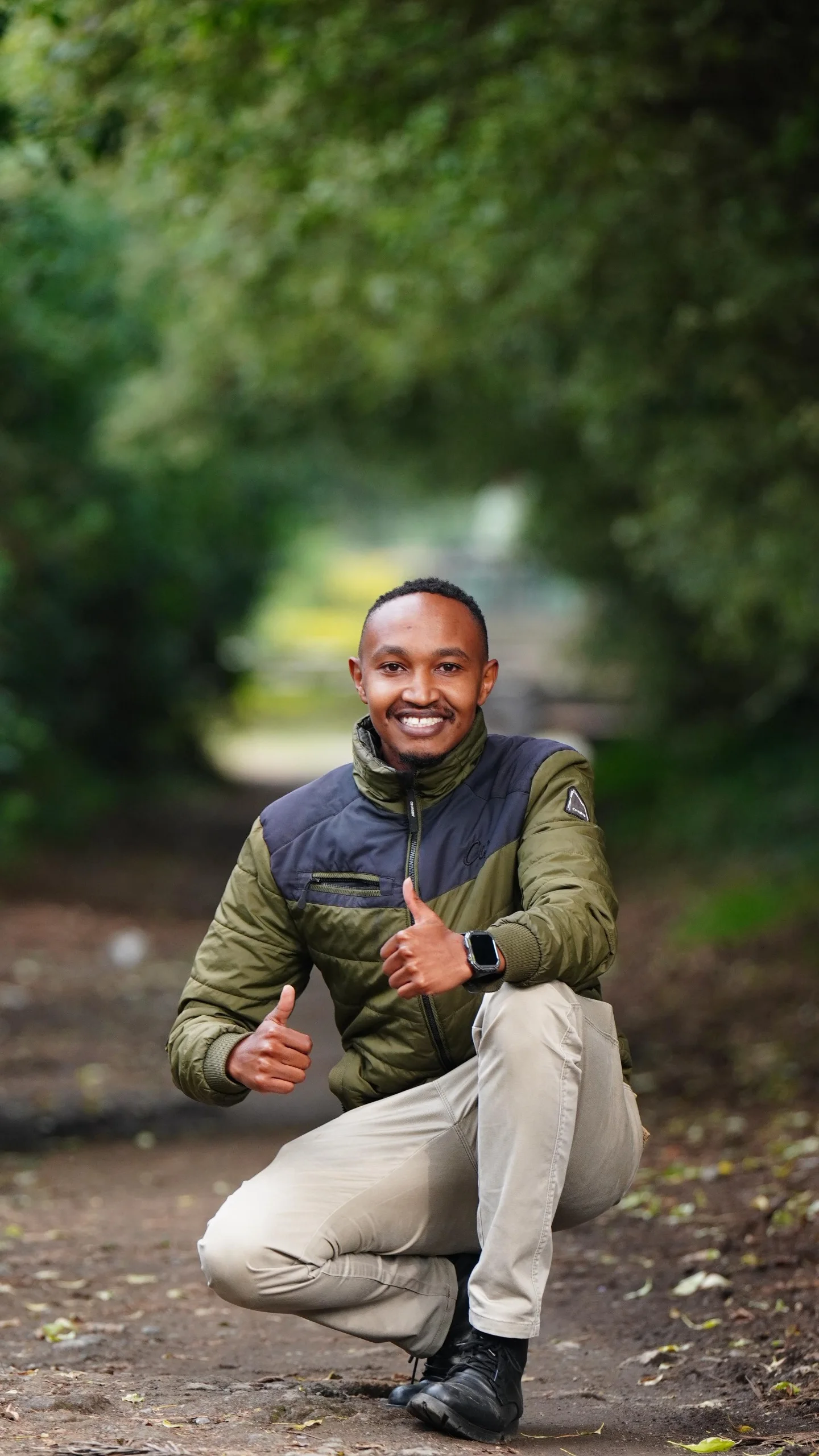
Kelvin Ngugi
Safari Expert | Tour GuideA dedicated Safari Specialist with extensive knowledge of Kenya’s breathtaking destinations, wildlife, and unique travel experiences. Passionate about creating unforgettable journeys, I specialize in designing personalized safari itineraries that combine adventure, comfort, and authentic cultural encounters. My goal is to ensure every traveller enjoys a seamless, memorable, and enriching African safari experience.
Ready to plan your own Kenya family safari?
Our team can help make these ideas fit your travel dates, family ages and preferred level of comfort.
Plan Your Family Safari