


When is the best time to visit Samburu National Reserve in Kenya? For many families, January to February and June to October are good months to consider because days are often drier and the tracks can be easier to use. But Samburu has wonderful wildlife throughout the year, and the quieter green months can also be rewarding.
The right time depends on what your family wants to see, your school holiday dates, your budget and whether you prefer dry weather or greener views. This simple month by month guide explains what may change across the seasons and how to plan a comfortable Samburu family safari.
Why visit Samburu National Reserve?
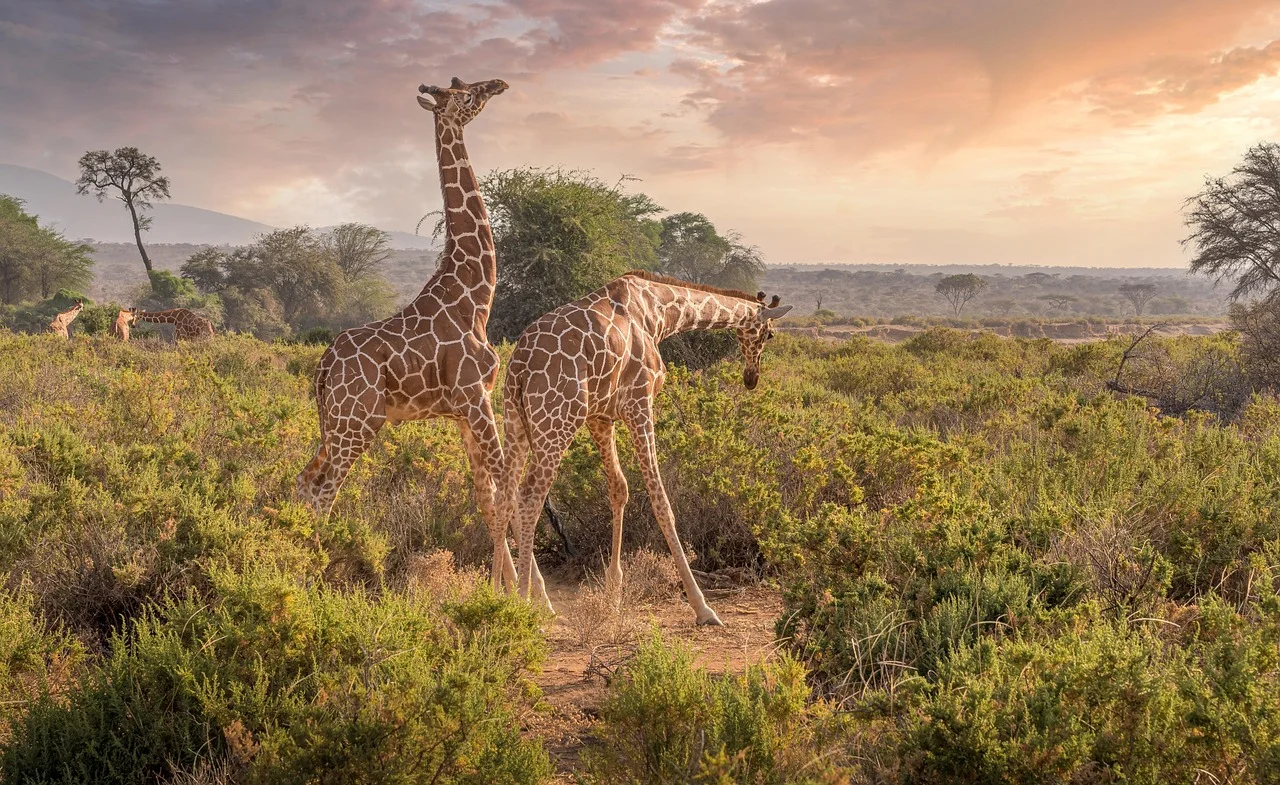
Samburu lies in northern Kenya, where the land looks and feels different from the Maasai Mara. The weather is often warmer and drier. Along the Ewaso Nyiro River you can see river trees, palms and areas where wildlife gathers to drink. You may spot elephants walking towards the river, a giraffe feeding in the trees or a lion resting in the shade.
Samburu is especially known for the Samburu Special Five. They are Grevy's zebra, reticulated giraffe, Beisa oryx, gerenuk and Somali ostrich. These animals are well suited to the dry north and make a fun list for children to learn about. Keep in mind that animals move freely and no safari can promise all five in one trip. The Samburu County Government visitor information explains more about the reserve and its wildlife.
Quick answer: the best months for a Samburu safari
- January and February: Often warm and fairly dry. A popular choice for wildlife watching and family travel.
- March to May: A changing season. Rain can make the landscape green, but some tracks may become difficult.
- June to October: Often a good period for game drives, with drier conditions and animals using the river and other water sources.
- November and December: Short rains may bring fresh grass and good birdwatching. Rainfall varies greatly from year to year.
These are usual patterns, not a fixed weather timetable. Kenya's weather changes from one year to another, and rain may come early, late or not as expected. For a trip that is close to departure, check updates from the Kenya Meteorological Department.
Samburu weather month by month
January: warm days and good wildlife chances
January is often warm, with long sunny periods. It can be a good time for morning drives near the river and for learning about the northern animals. Pack light clothes for the day and a warmer layer for early departures. Families travelling just after the December holidays may enjoy a less rushed schedule.
February: often dry and popular for safaris
February is usually one of the warmer months. Drier conditions can make wildlife easier to look for in some areas, although nothing is guaranteed. Midday can feel hot, so plan morning drives, a lunch break and an evening outing instead of staying in the vehicle all day.
March: the season starts to change
March can begin with dry weather and move towards the longer rainy season. It is still possible to have excellent wildlife sightings. The main thing is to keep your plans flexible and choose a guide who knows which tracks are safe after rain.
April: green views and possible heavy rain
April often brings more rain to parts of Kenya, but the amount in Samburu can be different from the weather in Nairobi or the Mara. When rain does arrive, plants grow and the landscape looks fresh. Some roads and river crossings may become difficult. Families with very young children may prefer a drier month if they want the simplest travel arrangements.
May: peaceful stays, with weather to watch
May can still have wet periods. On the other hand, there may be fewer visitors and beautiful light for photographs. Some accommodation properties change their opening dates or activities during quiet months, so always confirm that your preferred camp is operating before you book.
June: the start of a drier stretch in many years
June often brings improving driving conditions after the long rains. Wildlife remains active, and mornings can be pleasant for exploring. This can be a useful choice for families beginning their holiday before the busiest July and August weeks.
July: a strong option for school holidays
July is a popular time for international family travel. Samburu is often dry, and game drives can work well around the river. Book suitable family rooms early because popular camps may fill up during school holidays. Do not confuse Samburu with the Maasai Mara: Samburu does not have the famous Mara River wildebeest crossings.
August: good dry season travel, with busy dates
August often offers reliable opportunities for a wildlife focused holiday, but demand can be high. A private guide and a sensible daily plan are helpful when children want time to watch an elephant family or take a break for a snack. Ask about camp age policies before choosing your stay.
September: often dry, with slightly calmer travel
September can be a lovely month for people with flexible dates. Many schools have returned, and some camps may feel quieter than in August. The reserve still offers chances to see its northern species and enjoy its river habitat. Prices depend on the camp and exact date, so ask for a written quote.
October: a changeable but rewarding month
October may begin quite dry and move towards the short rainy season. It is useful to plan for warm weather and occasional showers. Birdwatchers may enjoy the changing conditions, and the landscape can start to look greener when rain arrives.
November: fresh grass and possible short rains
November is often a wetter month in parts of Kenya, but the pattern is not the same everywhere. Clouds and fresh vegetation can make beautiful photographs. Wildlife is still there, although animals may spread out when water is more widely available. Allow enough time so a wet afternoon does not spoil your plans.
December: a family holiday with changing weather
December brings school holidays for many families. Early December may be quieter, while the festive period can be busy and cost more. Short rains may continue or ease. If your family wants to travel at Christmas, reserve your rooms and vehicle early and ask the camp about its exact holiday terms.
When is Samburu best for elephants and the Special Five?
Elephants and the five northern species live in this region throughout the year. Drier conditions can make some sightings easier when animals visit rivers and other water points. During wetter periods, animals may spread across a wider area and green plants may hide smaller species. This does not mean wildlife disappears in the rains.
The best way to increase your chances is to spend enough time with a knowledgeable guide. Ask the guide to show children tracks, animal feeding habits and the difference between a Grevy's zebra and the more familiar plains zebra. Those small lessons often become the stories families remember most.
Is Samburu good for a safari with children?
Yes, Samburu can be a wonderful destination for a family safari, especially for children who enjoy animals and learning about different places. The main challenge can be heat and long driving distances. A private vehicle lets you stop when the family needs water or rest, and a suitable lodge gives everyone a comfortable place to spend the hottest hours.
For a first trip, we usually suggest two to three nights in the area rather than a quick overnight visit. This gives you time for several drives without making every day feel busy. Ask whether your chosen camp has family rooms, a swimming pool if that matters to you, child friendly meals and a clear policy for any nature walks.
How much does a Samburu family safari cost?
The price depends on your travel month, the number of nights, your chosen lodge, whether you fly or drive and how many people share the vehicle and rooms. A luxury family lodge and a comfortable mid range camp can offer very different prices. High demand dates in July, August and late December are often more expensive than quieter weeks, but there is no fixed rate for every property.
When comparing quotes, check whether park entry, private transport, meals, children’s rates, guide costs and flights are included. We show what is included before you confirm. Look through our private Kenya safari packages or ask us for a family quote based on your dates.
What to pack for Samburu
- Light, comfortable clothes for warm days and a warmer top for early mornings.
- A wide hat, sunscreen and sunglasses for each family member.
- A refillable water bottle and any personal medication.
- Binoculars for children who enjoy watching birds and distant animals.
- A camera, power bank and safe storage for phones.
- A light rain jacket if you travel during months when showers are possible.
Choose comfortable shoes for lodge grounds. If you are offered a guided walk, confirm that it is permitted, professionally led and suitable for the age of your children. Follow your guide’s instructions and never get out of the vehicle near wildlife without permission.
Where can you go after Samburu?
A Samburu trip combines well with other places in northern and central Kenya. You can visit Ol Pejeta Conservancy for rhino conservation, explore Lewa Wildlife Conservancy for a different kind of family safari, or travel towards Meru National Park if you have more time. These routes offer variety without crossing the whole country several times.
For a longer holiday, some families combine Samburu with the Maasai Mara to see different landscapes and wildlife. Flying between distant areas can save time, but it increases the cost. We can compare flight and road options honestly so you can choose what suits your family.
Questions families ask about Samburu
Is Samburu too hot for children?
Samburu can be hot, especially around midday. With early game drives, enough water, shade and a proper rest break, many families travel comfortably. Your lodge choice and the age of your children should guide the plan.
Does Samburu have the Great Migration?
No. The famous wildebeest movement between Tanzania's Serengeti and Kenya's Maasai Mara is a different wildlife event. Samburu is known for northern animals, elephants and its river scenery. See our Maasai Mara timing guide if the migration is important to your trip.
Can we visit Samburu in April or May?
Yes, depending on local conditions and whether your camp is open. These months may bring rain and difficult tracks. Ask about access and recent forecasts before confirming your booking.
Should we choose Samburu or the Maasai Mara?
Choose Samburu for northern Kenya's animals, dry landscapes and a different feel. Choose the Mara for open grassland, resident big cats and the possibility of the Great Migration in some months. If you have enough days, visiting both can make a memorable family safari.
Plan the right Samburu safari for your family
We can help you choose travel dates, the right number of nights and comfortable places to stay. Tell us the age of each traveller, your preferred month and whether you want luxury or mid range accommodation. We will create a private journey at a pace your family can enjoy. Start planning your Samburu safari.
Official sources for travel planning
Safari Trips in Kenya Team
Kenya Safari Planning TeamReady to plan your own Kenya family safari?
Our team can help make these ideas fit your travel dates, family ages and preferred level of comfort.
Plan Your Family Safari