

Quick answer: A safari trip in Kenya works best over 6 to 10 days, combining the Maasai Mara with one or two other parks such as Amboseli, Laikipia or Samburu. The best time to go is late June to October for the Great Migration, or January to March for dry weather and lower Mara fees. Every visitor needs a Kenya eTA and, since October 2026, Kenyan inbound travel health insurance.
Jambo! I'm Kelvin, a Kenyan driver-guide. I plan and guide private safaris for couples and families, and this safari trip in Kenya guide is the one I wish every first-time visitor read before booking. It covers where to go, when, for how long, what it costs, and how to prepare.
Kenya safari at a glance
Question | Short answer |
|---|---|
Best parks | Maasai Mara, Amboseli, Laikipia (Ol Pejeta, Lewa), Samburu, Lake Nakuru and Naivasha, Tsavo |
Best time to go | Late June to October (Migration); January to March (dry, quieter) |
How many days | 6 to 10 days for a first safari |
Starting point | Nairobi, Jomo Kenyatta International Airport (NBO) |
Entry documents | Passport, Kenya eTA, Kenyan inbound travel health insurance |
Currency | Kenyan shilling (KES); US dollars widely used for safari payments |
Time zone | East Africa Time, UTC+3 |
Language | English and Swahili; guides speak English |
Typical cost | 7-day private safaris from USD 2,400 per person (full cost guide) |
Why choose Kenya for a safari?
Kenya packs more variety into a short trip than almost anywhere in Africa. In one week you can see the Big Five, the Great Migration and elephants beneath Kilimanjaro, then finish on an Indian Ocean beach.
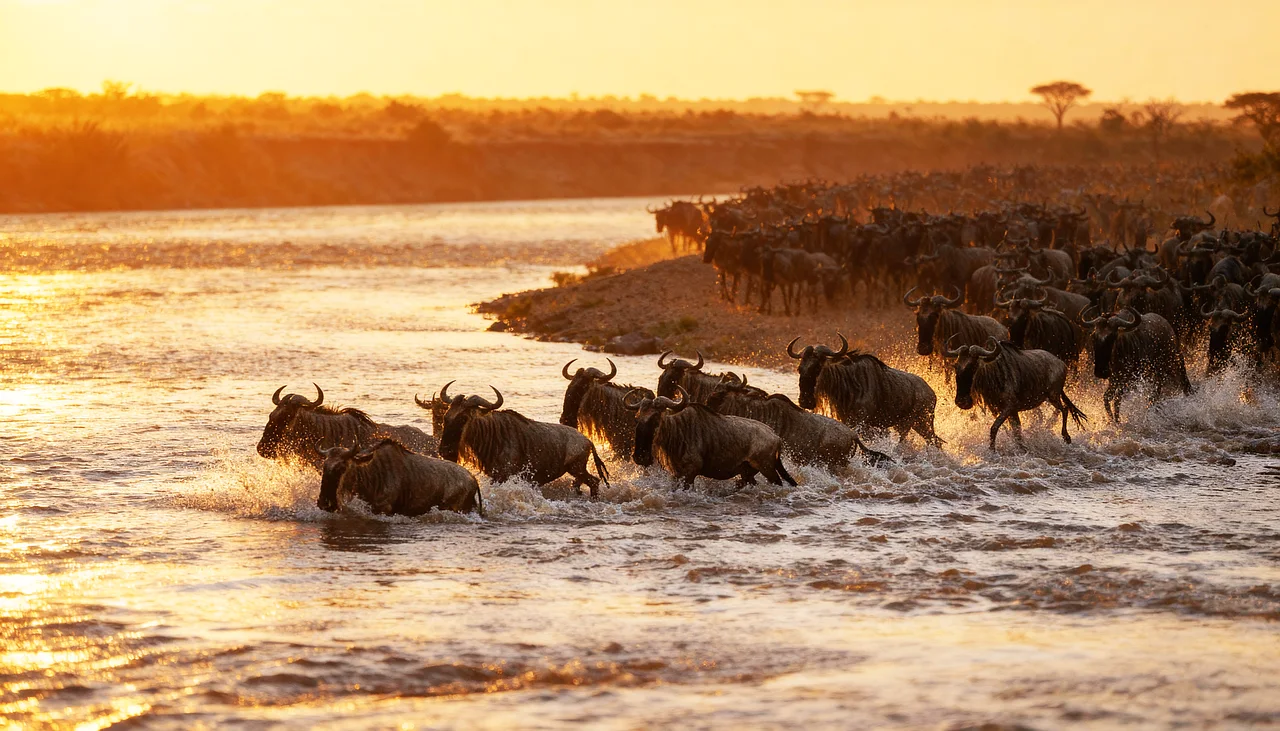
- The Great Migration: from about July to October, huge herds of wildebeest and zebra move into the Maasai Mara, with dramatic Mara River crossings.
- Private conservancies: land leased from Maasai communities next to the Mara and in Laikipia, with limits on vehicle numbers, plus walking safaris and night drives that national reserves don't allow.
- Easy access: most parks are a few hours' drive or a short flight from Nairobi, the region's main air hub.
- Safari and beach in one trip: Diani, Watamu and Lamu are a short flight from the parks.
- Family-friendly: many camps welcome children, with family tents and child-friendly activities.
- Culture: visits to Maasai and Samburu communities, done respectfully, add real depth to a trip.
Trying to decide between Kenya and Tanzania? In short, Kenya is easier to reach and combine, while Tanzania has larger, more remote parks. I'll cover the full comparison in my Kenya vs Tanzania guide.
Best parks and conservancies for a Kenya safari
The Maasai Mara is the headline, but the best trips pair it with one or two contrasting parks. Drive times below are from Nairobi and are approximate; traffic and road works can add time.
Park or area | Best for | Drive from Nairobi | Who runs it |
|---|---|---|---|
Big cats, the Great Migration, Big Five | 5 to 6 hours, or a 45-minute flight | Narok County Government | |
Mara conservancies (Mara North, Naboisho, Ol Kinyei) | Fewer vehicles, walks, night drives | 5 to 6 hours | Maasai landowners and camp partners |
Big elephant herds with Kilimanjaro views | 4 to 5 hours | Kenya Wildlife Service | |
Rhinos, private conservancies, horse and camel riding | 3.5 to 4.5 hours | Private conservancies | |
Rare northern species: Grevy's zebra, reticulated giraffe, gerenuk | 5 to 6 hours | Samburu County | |
Rhinos, flamingos (numbers vary), easy stop en route to the Mara | About 3 hours | Kenya Wildlife Service | |
Boat rides, walking safaris, Hell's Gate cycling | About 2 hours | Mixed | |
Wilderness, red elephants, easy add-on to the coast | 5 to 6 hours | Kenya Wildlife Service | |
A half-day safari on arrival or departure day | 20 to 40 minutes | Kenya Wildlife Service |
Kelvin's pick for a first safari: the Maasai Mara, plus either Amboseli for elephants or Laikipia for rhinos and a quieter, conservancy feel. For a closer look, read my list of the 10 best wildlife parks and conservancies in Kenya.
When is the best time for a safari trip in Kenya?
Kenya is a year-round safari destination. The dry seasons, late June to October and January to March, give the easiest game viewing because animals gather near water and the grass is short.
Months | Weather | Wildlife highlights | Crowds and prices |
|---|---|---|---|
January to March | Hot and mostly dry | Excellent viewing everywhere; resident big cats in the Mara | Moderate; Mara fees at the lower rate |
April to May | Long rains | Green landscapes, baby animals, superb birding | Quietest and cheapest; some camps close |
June | Drying out | Herds start arriving in the Mara late in the month | Rising; Mara fees still lower until 30 June |
July to October | Dry and cool | The Great Migration and Mara River crossings | Busiest and highest prices; book early |
November | Short rains | Fresh grass, fewer vehicles, migratory birds | Lower prices |
December | Warm, showers | Good viewing; festive atmosphere | High over Christmas and New Year |
Kelvin's tip for families: the July to August and December holidays are the most popular, so book 9 to 12 months ahead. For couples who can travel any time, February and early March are a great choice: dry, quiet and good for big cats.
For exact Migration timing, see my Wildebeest Migration 2027 guide.
How many days do you need for a Kenya safari?
Plan on 6 to 10 days for a first safari. That gives you 3 nights in the Maasai Mara, the minimum I recommend, plus time for one or two other parks without spending every day in the car.
Trip length | What fits | Good for |
|---|---|---|
2 to 3 days | Maasai Mara only, or Amboseli only | A short add-on to a business trip or beach holiday |
5 to 6 days | Amboseli or Lake Naivasha, plus the Maasai Mara | A first taste of safari |
7 to 8 days | Laikipia or Amboseli, Lake Nakuru or Naivasha, and the Maasai Mara | The classic first safari for couples and families |
9 to 10 days | Samburu, Laikipia and the Mara, or a safari plus Diani Beach | A relaxed pace with more variety |
12 to 14 days | Northern parks, the Mara, Amboseli and the coast | Honeymoons and once-in-a-lifetime family trips |
Sample 7-day route: Nairobi → Amboseli (2 nights) → Lake Naivasha (1 night) → Maasai Mara (3 nights) → fly back to Nairobi.
With young children, I build in shorter driving days and a rest afternoon at a camp with a pool. You can see our full routes on the safari packages page.
Which type of safari suits you?
The biggest choice is private versus shared. Every trip I run is private: your own vehicle, your own guide and your own schedule.
Private family safaris. Children see more when the day fits their rhythm. A private vehicle means you can stop for every giraffe, head back early when little ones are tired, and choose family tents or camps with pools. See our family safari categories.
Private safaris for couples and honeymooners. Quiet conservancy camps, bush dinners, sundowners and a hot air balloon over the Mara make a safari one of the most romantic trips in Africa.
Where you stay
Style | What it's like | Best for |
|---|---|---|
Mid-range | Comfortable lodges and permanent tented camps with en-suite bathrooms | Great value, families with older children |
Luxury | Smaller camps, often in conservancies, with more space and personal service | Couples, families wanting privacy and walks |
Ultra-luxury | Exclusive camps and private houses, often with fly-in access | Honeymoons and special celebrations |
Read more in my guide to safari accommodation styles in Kenya.
What does it cost? Our private 7-day safaris start from USD 2,400 per person and 8-day safaris from USD 3,000 per person, before international flights. Park fees are a big part of the price: the Maasai Mara charges non-resident adults USD 100 a day from January to June and USD 200 a day from July to December. Full breakdown in How Much Does a Safari Trip in Kenya Cost?
Getting to Kenya and getting around
Most safaris start in Nairobi. International flights land at Jomo Kenyatta International Airport (NBO), about 30 to 60 minutes from central Nairobi depending on traffic. Safari flights to the Mara, Samburu and Laikipia leave from Wilson Airport, in the south of the city.
Road or air?
By road | By air | |
|---|---|---|
How it works | Private 4x4 safari vehicle with a pop-up roof, driven by your guide | Light aircraft to airstrips inside or near the parks |
Nairobi to the Mara | 5 to 6 hours | About 45 to 60 minutes |
Advantages | See the Great Rift Valley on the way; one guide for the whole trip; lower cost | Saves time; less tiring for young children |
Things to know | Some roads are rough, especially the last stretch to the Mara | Strict soft-bag luggage limits, usually about 15 kg per person |
A popular option is to mix the two: drive out through the Rift Valley, then fly back to Nairobi to save a long day. If you fly in, Kenya's coast (Diani, Watamu, Lamu) is also a short flight from Nairobi or direct from the Mara.
Planning your first trip? My First Time in Kenya guide covers money, phones, tipping and more.
Entry requirements and health
Sort out your documents at least a month before you travel. Each traveller, including children and babies, needs their own.
Requirement | What you need | Cost |
|---|---|---|
Passport | Valid for at least 6 months from arrival, with blank pages | — |
Kenya eTA | Apply on the official site, etakenya.go.ke, before you fly | USD 30 standard (USD 100 extra for express) |
Inbound travel health insurance | Mandatory since 6 October 2026 under Gazette Notice No. 11492; bought during the eTA application or on eCitizen | About USD 44 at launch; check the current price |
Yellow fever certificate | Required only if you arrive from, or transit through, a country with yellow fever risk (age 1 and over) | Vaccine cost in your home country |
Health tips
- Yellow fever: even when the certificate isn't required, health authorities such as the CDC recommend the vaccine for most travellers to Kenya aged 9 months and over.
- Malaria: present in most of Kenya below 2,500 metres, including the safari parks. Ask a travel clinic about anti-malaria tablets, especially for children.
- Other vaccines: hepatitis A, typhoid and routine vaccines are commonly recommended.
- See a travel clinic 6 to 8 weeks before you go. This guide isn't medical advice.
Kelvin's tip: apply for the eTA only on the official government site. Look-alike websites charge more for the same authorisation.
What to pack for a Kenya safari
Pack light, in soft bags, and in layers. Early mornings on game drives can be cold, and afternoons hot.
- Clothes: neutral colours (khaki, olive, beige); avoid bright white and dark blue or black, which attract tsetse flies in some areas
- Layers: a fleece or warm jacket for 6 am game drives, especially June to August
- Sun protection: wide-brimmed hat, sunglasses, high-SPF sunscreen
- Insect repellent with DEET or picaridin
- Binoculars: one pair per person if you can; children love having their own
- Camera with a zoom lens, spare batteries and memory cards
- Comfortable closed shoes for walks, and sandals for camp
- Medicines: anti-malaria tablets, plus any personal prescriptions
- Documents: printed eTA, insurance certificate and passport copies
I'll send every guest a detailed checklist before travel, and a printable family packing list is coming soon on the blog.
Safari etiquette and safety
Kenya's parks are safe for visitors who follow their guide's lead. These simple rules keep you, the animals and other guests happy.
- Stay in the vehicle unless your guide says it's safe to get out.
- Keep your voice low near animals, and never call or whistle to get their attention.
- Never feed wildlife, including monkeys and baboons around camps.
- Walk with an escort at night in unfenced camps; staff will walk you to your tent.
- Ask before photographing people, especially in Maasai and Samburu communities.
- Respect park rules: no off-road driving where it's banned, and keep a respectful distance from animals.
- Leave no litter. Kenya has banned single-use plastic bags, so leave them at home.
How to plan your safari with Kelvin
Every safari trip in Kenya on this site is operated by me under Wild Sights Safaris, licensed by Kenya's Tourism Regulatory Authority (TRA No: TRA1/22/C01/76306). You deal with one person from your first message to your last game drive.
- Tell me about your trip. Your dates, who's travelling (and children's ages), what you'd love to see and your comfort level. Use the Plan Your Safari form or message me on WhatsApp.
- Get a tailor-made itinerary. I'll suggest a route, camps and a clear quote, then adjust it until it's right for you.
- Confirm with a deposit. I secure your camps and permits straight away; peak-season camps fill fast.
- Prepare to travel. I send a checklist covering the eTA, health insurance, packing and what to expect each day.
- Meet me in Kenya. From the airport to the last game drive, I'm your guide and your point of contact.
Start planning your safari with Kelvin →
Frequently asked questions
What is the best safari trip in Kenya for first-timers? A 7- to 8-day private safari combining Amboseli or Laikipia, Lake Naivasha or Nakuru, and 3 nights in the Maasai Mara. It gives you the Big Five, varied scenery and a manageable amount of driving.
Is Kenya safe for a safari? Yes, Kenya's safari areas are visited safely by many travellers each year. Travel with a licensed operator, follow your guide's advice and check your government's travel advice before you go.
Can I see the Big Five in Kenya? Yes. The Maasai Mara has lions, leopards, elephants and buffalo, though rhinos are rare there. For rhinos, add Lake Nakuru, Ol Pejeta or Lewa.
Is a Kenya safari good for children? Very. A private safari lets you set the pace, and many camps offer family tents, pools and activities for children. Some camps and activities have minimum ages, so I check these when planning.
When is the Great Migration in Kenya? The herds are usually in the Maasai Mara from about July to October, with river crossings most often seen in August and September. Exact timing changes every year.
Do I need a visa for Kenya? Most visitors need a Kenya eTA instead of a visa, costing USD 30, plus Kenyan inbound travel health insurance. Apply on the official eTA site before you fly.
How far ahead should I book? 9 to 12 months for July to October and the Christmas holidays; 3 to 6 months for other times of year.
Sources
Facts and fees checked in November 2026 against official and public sources:
- Kenya Wildlife Service: Fees Regulations 2025, Legal Notice No. 160 of 2025
- Narok County Government: Masai Mara National Reserve entry fees, 2026
- Kenya Directorate of Immigration Services: Kenya eTA portal
- Ministry of Health, Gazette Notice No. 11492 (30 July 2026), and eCitizen inbound travel health insurance
- CDC Yellow Book: Kenya yellow fever and malaria guidance (summary)
By Kelvin Ngugi, founder of Safari Trips in Kenya and Wild Sights Safaris (TRA No: TRA1/22/C01/76306) · Last updated: November 2026
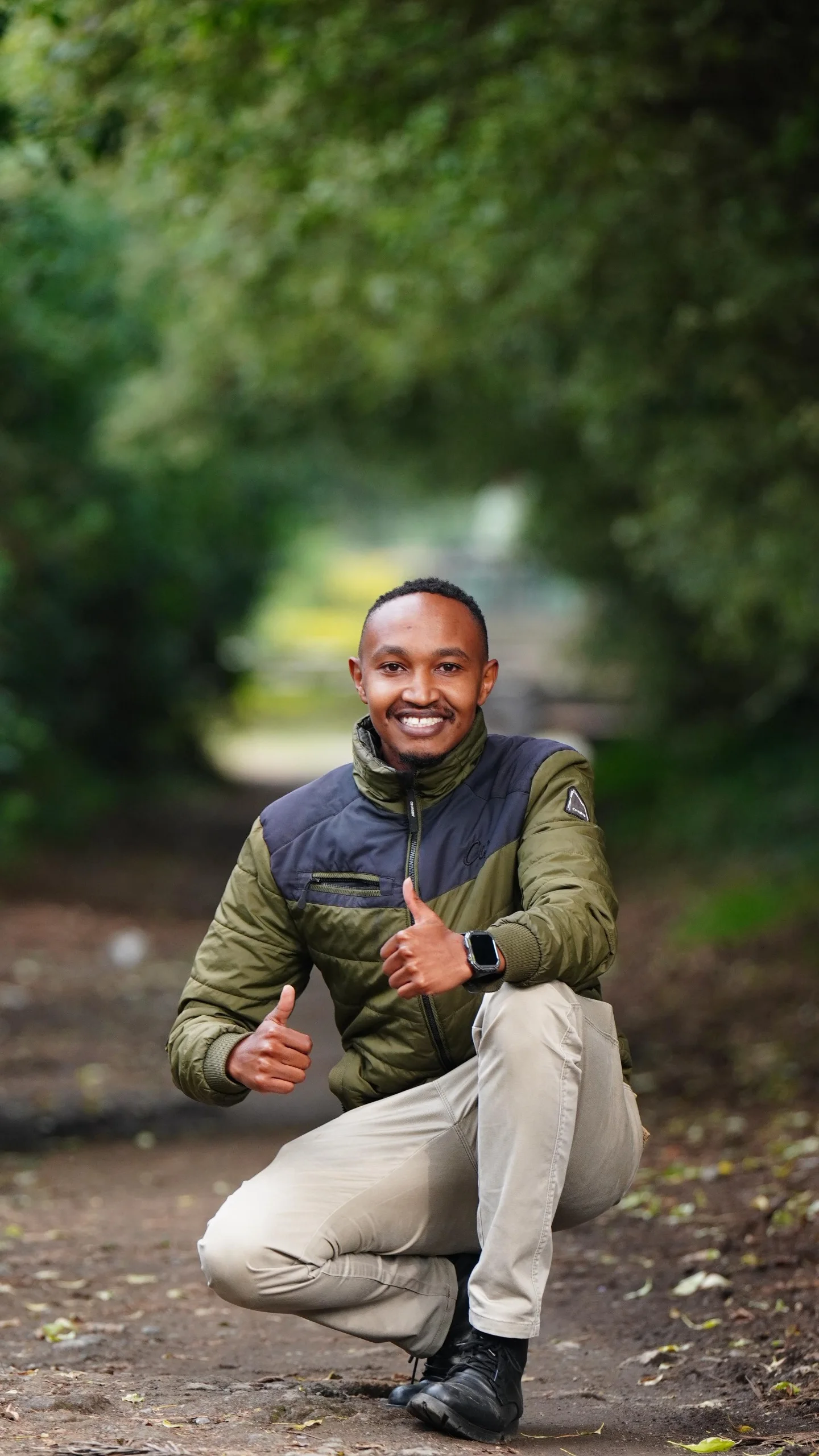
Kelvin Ngugi
Safari Expert | Tour GuideA dedicated Safari Specialist with extensive knowledge of Kenya’s breathtaking destinations, wildlife, and unique travel experiences. Passionate about creating unforgettable journeys, I specialize in designing personalized safari itineraries that combine adventure, comfort, and authentic cultural encounters. My goal is to ensure every traveller enjoys a seamless, memorable, and enriching African safari experience.
Ready to plan your own Kenya family safari?
Our team can help make these ideas fit your travel dates, family ages and preferred level of comfort.
Plan Your Family Safari