


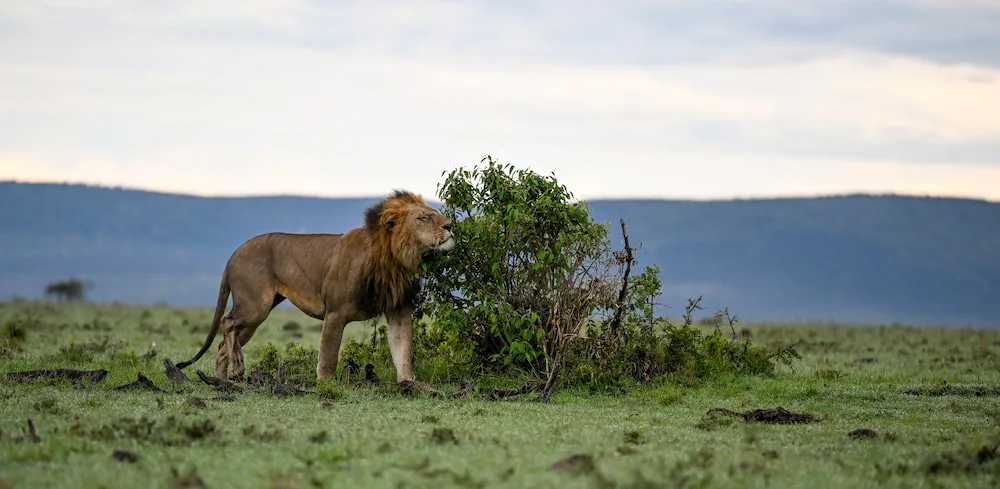
Kenya is famous for its lions, elephants, giraffes and wide open views. But choosing where to go can feel difficult when every place sounds wonderful. This guide looks at ten wildlife areas that can make a Kenya family safari special. We explain what you may see, why each place matters and how to choose a route that works for your family.
First, an important point: a national park, a national reserve and a private conservancy are not exactly the same thing. Kenya has all three. The ten places below include examples of each, so we call them wildlife areas rather than calling every place a game reserve. You can also browse our Kenya safari destinations and see private safari trips in Kenya before deciding.
What is the difference between a park, a reserve and a conservancy?
A national park is a protected area with rules for visitors, vehicles and wildlife. National reserves are also protected areas, but they can have different management arrangements. A conservancy is land set aside for wildlife protection, often with strong involvement from local communities or private landowners. Each place has its own rules about driving, walking, visitor numbers and opening hours.
For families, the name matters less than the experience. Ask how long the drives will be, whether your children can join activities, how far the accommodation is from wildlife areas and what happens if anyone needs a break. Our guide to Kenya conservancies is a good starting point.
1. Maasai Mara National Reserve: lions and open grassland
The Maasai Mara is one of Kenya's best known safari destinations. The rolling grassland is home to lions, elephants, buffaloes, giraffes, zebras and many other animals. It is a place where a family can spend time watching animals behave naturally rather than rushing from one sighting to the next.
The Great Migration brings moving herds into the wider Mara area in some months, often around July to October, but their movements depend on rain and grass. A river crossing is never guaranteed. Families who travel outside that window can still enjoy resident wildlife and excellent guiding. Read our month by month Maasai Mara guide and the Maasai Mara destination guide.
Family planning tip: Allow around three nights if possible. Choose a camp with rooms suitable for your group and avoid too many long drives on the same day. A private vehicle makes it easier to return early when children are tired.
2. Amboseli National Park: elephants and views of Mount Kilimanjaro
Amboseli is loved for its elephants and the chance of seeing Mount Kilimanjaro across the border in Tanzania. Families may see elephants walking through open land, birds around the wetlands, and herds of grazing animals. Mountain views depend on cloud cover, so a clear photograph is a bonus rather than a promise.
Amboseli works well for children who enjoy watching elephant families and learning how animals care for one another. Morning drives can be especially pleasant. Read our Amboseli family safari guide for an overview of the area.
Family planning tip: Two or three nights can give you relaxed morning and evening drives. You can combine Amboseli with Tsavo West or add a flight to another region if you want less time on the road.
3. Samburu National Reserve: wildlife found in northern Kenya
Samburu feels different from southern Kenya. The land is often dry and warm, with palms and trees along the Ewaso Nyiro River. The reserve is known for five special animals: Grevy's zebra, reticulated giraffe, gerenuk, Beisa oryx and Somali ostrich. These animals give young travellers a fun wildlife challenge, although no sighting can be promised.
Families may also see elephants, lions and many birds. A good guide can explain how animals find food and water in this dry landscape. Explore our Samburu destination page and best time to visit Samburu article.
Family planning tip: Plan about two or three nights and pack hats, drinking water and light clothes for warm afternoons. Include rest time between drives.
4. Ol Pejeta Conservancy: rhinos and wildlife protection
Ol Pejeta in Laikipia is a rewarding place for a family that wants more than photographs of animals. It is known for its work to protect rhinos and for its chimpanzee sanctuary. The chimpanzees are rescued animals, not a wild native population in Kenya. Conservation visits and special activities have their own booking rules, so they should be confirmed before travel.
Children can learn why rangers protect wildlife and why the space around an animal needs care. Ol Pejeta also offers regular game viewing, so the visit can be both exciting and educational. Learn more from our Ol Pejeta family guide and the conservancy's official rhino conservation information.
Family planning tip: Two nights can work well, but choose an extra night if you want time for a planned conservation visit without losing your normal game drives.
5. Tsavo East National Park: big spaces and red earth
Tsavo East is famous for its wide landscapes, red soil and elephants that can appear reddish after rolling in the dust. The Galana River and open areas make the scenery memorable. This is a good choice for families that enjoy nature, space and a quieter pace away from busy sightseeing areas.
Wildlife is spread across a very large area, so patient guiding matters. You may spend longer looking for animals than you would in a smaller reserve. Read our Tsavo East travel guide.
Family planning tip: Two nights are a useful start. Tsavo East also fits a wildlife and beach holiday when combined with Kenya's coast.
6. Tsavo West National Park: hills, springs and changing scenery
Tsavo West offers a different view of the Tsavo landscape. Here you find hills, rocky country and places such as Mzima Springs, which make the trip interesting even between wildlife sightings. Elephants, antelopes and many bird species live in the wider area.
The scenery is a major part of a Tsavo West safari. Families who enjoy short nature stops and learning about different habitats may especially like it. Visit our Tsavo West destination guide.
Family planning tip: Two nights allow time to enjoy the park without turning every day into a transfer. Check road conditions before combining Tsavo West with Amboseli or the coast.
7. Lake Nakuru National Park: rhinos and birdlife
Lake Nakuru is an excellent choice for families with limited time. The park is known for rhinos and birdlife, as well as giraffes, buffaloes and other wildlife. Flamingo numbers change with water and food conditions, so do not build the whole trip around a promise of pink birds along the shore.
The park can fit into a route that also includes Lake Naivasha and the Maasai Mara. This gives children a mix of forest, lakes and open plains. See our Lake Nakuru guide.
Family planning tip: One or two nights may be enough depending on your route. Make sure there is still time for relaxed wildlife viewing rather than only passing through.
8. Meru National Park: a quieter wildlife journey
Meru National Park is a strong choice for travellers who like big, natural landscapes and a slower style of safari. Rivers, open grassland and wooded areas support different animals and birds. It does not have the same visitor traffic as the most famous southern parks, which can make the experience feel calm.
Wildlife viewing takes patience, and that can become part of the fun when a good guide helps children look for tracks and listen for birds. Explore our Meru National Park guide.
Family planning tip: Plan at least two nights and ask about the most practical travel route. Meru can be part of a longer northern Kenya safari rather than a rushed stop.
9. Buffalo Springs National Reserve: another side of Samburu
Buffalo Springs lies in the same wider northern Kenya wildlife area as Samburu. Its dry land, river habitat and northern animal species make it a useful addition when your accommodation and access arrangements allow. Visiting both areas may give your family a wider picture of the landscape.
Some operators combine Buffalo Springs with Samburu during a longer stay, but entry conditions and routes must be checked first. Read our Samburu guide to plan this region.
Family planning tip: Rather than adding another hotel move, consider staying in one suitable base and planning outings around the children's energy levels.
10. Shimba Hills National Reserve: green hills near the coast
Shimba Hills is a very different wildlife area. It is close to Kenya's coast and protects forest and hilly country. It is a refreshing option for families who want some wildlife and nature during a beach stay, especially when they have already spent several days on a classic safari.
The reserve is not a replacement for a Maasai Mara or Amboseli game drive. Its appeal is the greener setting, plants, birds and the chance to explore a different part of Kenya's natural world. See the Kenya Wildlife Service visitor information for official details.
Family planning tip: A day visit may fit a coast holiday, subject to where you are staying and current visitor rules. Ask about walking conditions and whether a particular activity is suitable for young children.
Which Kenya wildlife area is best for your family?
- First safari: Maasai Mara or Amboseli gives you classic wildlife scenes and plenty to talk about after each game drive.
- Children who love elephants: Amboseli and Samburu are strong places to consider.
- Learning about conservation: Ol Pejeta offers an opportunity to talk about rhino protection and wildlife care.
- Birdwatching and lakes: Lake Nakuru can fit a route that also visits Lake Naivasha.
- More space and a calm pace: Meru, Tsavo East and Tsavo West deserve a closer look.
- Wildlife with a beach holiday: Tsavo and Shimba Hills can be useful choices depending on your coast destination.
How many parks should you visit in one safari?
More parks do not always mean a better holiday. Each move uses time for packing, checking out, driving and checking in. Families usually enjoy their trip more when they have enough time in each place to rest, watch wildlife and enjoy the lodge. A six day safari may work better with two main stops than with four rushed stops.
For a longer trip, our team can combine regions such as the Maasai Mara, Ol Pejeta and Samburu with enough time to enjoy each one. We consider the children's ages, your budget and how much driving everyone is happy to do.
Practical tips for a safe family safari in Kenya
- Choose a trusted guide and a properly maintained safari vehicle with seat belts.
- Ask about child age rules for camps, walking activities and shared game drives.
- Carry water, hats, sun protection, any needed medication and warm layers for early mornings.
- Do not feed wild animals or stand up close to dangerous wildlife.
- Leave time in the schedule for a late breakfast, a swim where safe, or a quiet afternoon.
- Check current park entry costs and any travel advice before paying for the trip.
Common questions about Kenya wildlife safaris
Are national parks and conservancies good for children?
Yes, many are, but the right choice depends on the age of each child, the length of drives and the rules at the lodge or camp. We help choose places where children can enjoy wildlife without a tiring schedule.
Can we see the Big Five in one safari?
You may see lion, leopard, elephant, buffalo and rhino across different locations, but wildlife sightings cannot be guaranteed. Choosing a good route gives you different opportunities, while still leaving room to enjoy whatever nature brings.
Is a private safari better for a family?
A private safari gives your family more control over when to start a game drive, when to stop and how to spend your day. This flexibility is helpful when travelling with children or older family members. Explore our safari categories for different comfort levels.
What is the best month to visit Kenya for wildlife?
There is no single best month for every park. The Maasai Mara, Samburu, Amboseli and the coast have different patterns. Start with our Maasai Mara seasons guide and Samburu weather guide, then choose dates that work for your family.
Plan your safari trip in Kenya with us
We build private Kenya family safaris around the people travelling, not around a fixed checklist. We can suggest luxury stays, comfortable mid range accommodation, shorter drives or a route with more time for wildlife. Tell us your travel dates and family details and we will help you decide which places belong in your journey.
Helpful official information

Safari Trips in Kenya Team
Kenya Safari Planning TeamReady to plan your own Kenya family safari?
Our team can help make these ideas fit your travel dates, family ages and preferred level of comfort.
Plan Your Family Safari